
Can a Composite Filling Fix a Chipped or Cracked Tooth?
A chipped or cracked tooth can happen when you least expect it—biting into something hard, experiencing a fall, or even grinding your teeth at night. While the damage might seem small, leaving it untreated can lead to discomfort, sensitivity, or further tooth damage. Fortunately, modern dentistry offers a simple and effective solution: composite fillings.
But can a composite filling really fix a chipped or cracked tooth? In many cases, the answer is yes. Composite fillings are a versatile and aesthetic dental treatment that can restore both the appearance and strength of a damaged tooth. Let’s explore how this treatment works, when it’s suitable, and what you can expect from the procedure.
What Is a Composite Filling?
A composite filling is a tooth-colored dental material made from a mixture of resin and finely ground glass particles. Unlike traditional metal fillings, composite fillings are designed to match the natural color of your teeth, making them virtually invisible.
Dentists commonly use composite fillings to repair cavities, but they are also highly effective for restoring chipped, cracked, or worn teeth. Because the material bonds directly to the tooth structure, it helps reinforce the tooth while maintaining a natural appearance.
Key benefits of composite fillings include:
- Natural-looking tooth color
- Strong bonding to the tooth structure
- Minimally invasive procedure
- Quick treatment, often completed in one visit
- Durable and long-lasting with proper care
For patients concerned about aesthetics, composite fillings are one of the most popular restorative options available today.
Can a Composite Filling Repair a Chipped Tooth?
Yes, composite fillings are often an excellent solution for chipped teeth, especially when the chip is small to moderate in size.
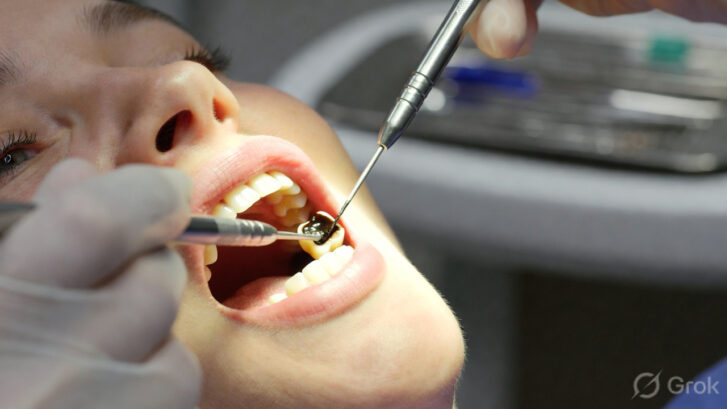
When a tooth is chipped, the dentist can apply composite resin to the damaged area, carefully shaping and sculpting it to restore the original form of the tooth. Once the resin is hardened using a special curing light, it becomes strong and durable.
This technique—sometimes called dental bonding—blends seamlessly with your natural tooth, making it difficult to notice any previous damage.
Composite fillings are particularly ideal for repairing chips on front teeth, where appearance matters most.
Can a Composite Filling Fix a Cracked Tooth?
Composite fillings can also help treat certain types of cracked teeth, but it depends on the severity of the crack.
For minor cracks or hairline fractures, composite material can seal and strengthen the tooth, preventing the crack from spreading further. The resin fills the damaged area and reinforces the remaining tooth structure.
However, if the crack is deep or extends into the root, other treatments may be necessary, such as:
- Dental crowns
- Root canal therapy
- In severe cases, tooth extraction
Your dentist will examine the tooth carefully—often using digital X-rays—to determine whether a composite filling is the best option.
The Composite Filling Procedure
One of the biggest advantages of composite fillings is that the procedure is quick and minimally invasive. In most cases, it can be completed in a single appointment.
Here’s what typically happens during the treatment:
1. Examination and Preparation
Your dentist will examine the chipped or cracked tooth and clean the area to remove any debris or damaged enamel.
2. Tooth Conditioning
A mild solution is applied to slightly roughen the tooth surface. This helps the composite resin bond securely to the tooth.
3. Application of Composite Resin
The dentist carefully applies the tooth-colored composite material in layers, shaping it to match the natural contours of your tooth.
4. Hardening the Material
A special curing light is used to harden the composite resin within seconds.
5. Shaping and Polishing
Finally, the dentist smooths and polishes the filling so it blends perfectly with your surrounding teeth.
The result is a restored tooth that looks natural and functions just like before.
How Long Do Composite Fillings Last?
With proper oral care, composite fillings can last between 5 and 10 years, and sometimes even longer.
Several factors influence their lifespan, including:
- Oral hygiene habits
- Teeth grinding or clenching
- Location of the filling in the mouth
- Regular dental checkups
Maintaining good dental habits—such as brushing twice daily, flossing, and visiting your dentist regularly—can help extend the life of your composite filling.
When Should You See a Dentist?
If you have a chipped or cracked tooth, it’s important to schedule a dental appointment as soon as possible. Even minor damage can worsen over time if left untreated.
You should see a dentist if you notice:
- Sharp edges on a tooth
- Tooth sensitivity to hot or cold
- Pain when biting or chewing
- Visible cracks or chips
- Rough or uneven tooth surfaces
Early treatment not only prevents complications but also increases the likelihood that a simple composite filling will be enough to restore your tooth.
Final Thoughts
A chipped or cracked tooth can affect both your comfort and confidence, but the good news is that modern dentistry offers effective solutions. Composite fillings are a reliable and aesthetically pleasing way to repair minor tooth damage, restoring both function and appearance.
If you suspect you have a chipped or cracked tooth, don’t wait. A quick dental visit can determine whether a composite filling is the right treatment and help you regain a healthy, natural-looking smile.
Schedule your dental checkup today to keep your smile strong, beautiful, and protected. 🦷