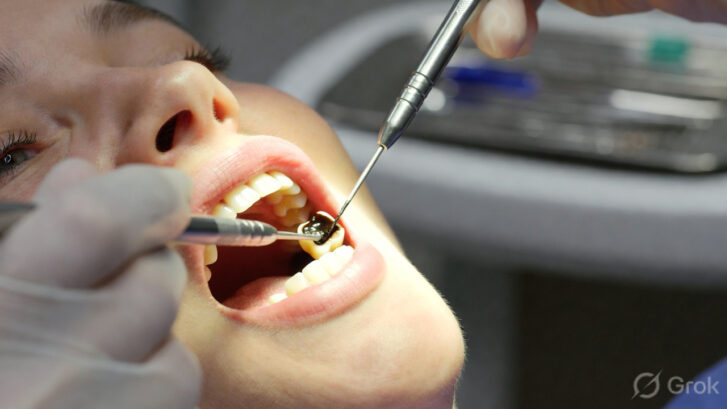
Composite Veneers

Who Is an Ideal Candidate for Composite Veneers?

A bright, flawless smile can boost confidence, improve first impressions, and even enhance professional opportunities. If you’re unhappy with chips, stains, or minor gaps in your teeth, composite veneers may be the perfect solution. But are they right for everyone?

In this guide, we’ll explain who is an ideal candidate for composite veneers, their benefits, and when alternative treatments might be better.

What Are Composite Veneers?

Composite veneers are thin layers of tooth-colored resin applied to the front surface of teeth to improve their appearance. Unlike porcelain veneers, composite veneers are sculpted directly on the tooth, often in a single dental visit.

They are commonly used to fix:

  • Chipped or cracked teeth
  • Tooth discoloration
  • Minor gaps between teeth
  • Slightly misaligned or uneven teeth

Composite veneers are popular because they are affordable, minimally invasive, and provide instant results.

Who Is an Ideal Candidate for Composite Veneers?

Not everyone needs or qualifies for composite veneers. The best candidates typically meet the following criteria:

1. People With Minor Cosmetic Dental Issues

Composite veneers work best for small cosmetic imperfections, such as:

  • Minor chips or cracks
  • Slightly uneven tooth shapes
  • Small gaps between teeth
  • Mild discoloration

If your dental concerns are primarily aesthetic and not structural, composite veneers can offer a quick and effective fix.

2. Patients With Healthy Teeth and Gums

Good oral health is essential before getting veneers. Ideal candidates should:

  • Have no active cavities
  • Be free from gum disease
  • Maintain good oral hygiene habits

Your dentist will treat any underlying dental problems before placing veneers to ensure long-lasting results.

3. Individuals Looking for a Budget-Friendly Smile Makeover

Composite veneers are significantly more affordable than porcelain veneers. They are a great option for patients who want a cosmetic upgrade without a high price tag.

4. Patients Who Want Quick Results

Composite veneers can often be completed in a single visit, making them perfect for:

  • Upcoming weddings or events
  • Job interviews
  • Special occasions 

If you’re looking for instant smile enhancement, composite veneers are a top choice.

5. People Who Prefer Minimally Invasive Dental Treatments

Unlike porcelain veneers, composite veneers usually require little to no enamel removal. This makes them ideal for patients who want a conservative and reversible cosmetic treatment.

6. Individuals With Slightly Crooked or Uneven Teeth

Composite veneers can visually correct minor alignment issues. While they don’t replace orthodontic treatment, they can create the appearance of straighter teeth for mild cases.

Who May NOT Be an Ideal Candidate?

Composite veneers are not suitable for everyone. You may need alternative treatments if you have:

Severe Tooth Damage or Decay

If a tooth is badly broken or decayed, veneers may not provide sufficient strength. Dental crowns or restorative procedures may be recommended instead.

Advanced Gum Disease

Healthy gums are essential for veneers. Gum disease must be treated before any cosmetic procedure to prevent complications.

Teeth Grinding (Bruxism)

Patients who grind or clench their teeth may damage composite veneers quickly. A night guard may be required, or porcelain veneers or crowns might be better options.

Major Alignment Issues

If teeth are significantly crooked or crowded, orthodontic treatment (braces or clear aligners) is usually recommended before veneers.

Benefits of Composite Veneers

Composite veneers offer several advantages, including:

✔ Cost-Effective Smile Enhancement

Composite veneers cost less than porcelain veneers, making them accessible to more patients.

✔ Same-Day Results

Most procedures can be completed in one appointment.

✔ Minimal Tooth Preparation

Little to no drilling is required, preserving natural tooth structure.

✔ Repairable and Reversible

If damaged, composite veneers can be repaired easily without replacing the entire veneer.

✔ Natural-Looking Appearance

Modern composite materials mimic the natural color and translucency of teeth.

How Long Do Composite Veneers Last?

With proper care, composite veneers can last 5 to 7 years or longer. Their lifespan depends on:

  • Oral hygiene habits
  • Diet and lifestyle
  • Teeth grinding habits
  • Regular dental check-ups

Avoid biting hard objects and limit staining foods like coffee, tea, and red wine to extend their longevity.

Composite Veneers vs Porcelain Veneers: Which Is Better?

Feature Composite Veneers Porcelain Veneers
Cost Lower Higher
Treatment Time Single visit Multiple visits
Durability Moderate Highly durable
Stain Resistance Moderate Excellent
Tooth Removal Minimal More enamel removal

Your dentist can help determine which option is best based on your needs and budget.

What to Expect During the Procedure

The composite veneer procedure typically involves:

  1. Consultation and Smile Assessment
    Your dentist evaluates your teeth and discusses your goals.
  2. Shade Selection and Tooth Preparation
    A shade matching your natural teeth is selected.
  3. Application of Composite Resin
    The dentist sculpts and shapes the resin directly onto the tooth.
  4. Polishing and Finishing
    The veneer is polished for a smooth, natural finish.

The entire process is painless and usually completed in one visit.

How to Care for Composite Veneers

To maintain your veneers:

  • Brush and floss daily
  • Avoid biting hard foods or objects
  • Limit staining beverages
  • Visit your dentist regularly
  • Use a night guard if you grind your teeth

Proper care ensures your veneers stay bright and intact for years.

Are Composite Veneers Right for You?

Composite veneers are an excellent option for patients seeking a fast, affordable, and minimally invasive smile transformation. If you have minor cosmetic concerns, healthy teeth and gums, and realistic expectations, you could be an ideal candidate.

The best way to know for sure is to schedule a consultation with your dentist. A personalized assessment will help determine the most suitable cosmetic treatment for your smile.

Ready to Transform Your Smile?

Book an appointment with our dental clinic today to explore composite veneers and achieve the confident smile you deserve!

Dental Bridges

How to Care for Your Dental Bridge: Cleaning Tips and Lifespan Expectations

Dental bridges are a reliable and effective solution for replacing missing teeth, restoring your smile, and improving your ability to chew and speak comfortably. While dental bridges are designed to be durable, their success depends greatly on how well they are cared for. Proper cleaning and maintenance not only protect the bridge itself but also preserve the health of the surrounding teeth and gums.

At Azle Smiles, we want patients to feel confident about maintaining their dental restorations. This guide explains how to care for your dental bridge, essential cleaning tips, and what to expect in terms of lifespan.

What Is a Dental Bridge?

A dental bridge is a fixed dental restoration used to replace one or more missing teeth. It is anchored to neighboring natural teeth or dental implants, with artificial teeth filling the gap. Bridges help maintain facial structure, prevent surrounding teeth from shifting, and restore proper bite function.

Unlike removable dentures, dental bridges stay in place and function much like natural teeth.

Why Proper Dental Bridge Care Matters

A dental bridge relies on the health of the supporting teeth and gums. If plaque and bacteria accumulate around the bridge, it can lead to gum disease, decay in the supporting teeth, and eventual failure of the bridge.

Consistent care ensures comfort, stability, and long-term success.

Daily Cleaning Tips for Dental Bridges

Brush Twice a Day
Brush your teeth at least twice daily using a soft-bristled toothbrush and fluoride toothpaste. Pay close attention to the area where the bridge meets your natural teeth and gums.

Clean Under the Bridge
Food particles and plaque can easily collect beneath the artificial tooth. Use floss threaders, super floss, or interdental brushes to clean under the bridge daily.

Consider a Water Flosser
Water flossers are especially helpful for patients with bridges. They use a stream of water to remove debris from hard-to-reach areas under and around the bridge.

Use Antibacterial Mouthwash
A dentist-recommended mouth rinse can help reduce bacteria and protect gum health around the bridge.

Special Tools That Make Bridge Care Easier

Floss Threaders
These allow floss to slide under the bridge and clean areas that standard floss cannot reach.

Interdental Brushes
Small brushes designed to clean between teeth and under bridges help remove plaque effectively.

Water Flossers
Ideal for patients who struggle with traditional flossing techniques.

Your dentist at Azle Smiles can recommend the best tools based on your bridge design.

Foods to Be Mindful Of

  • Avoid chewing on hard items such as ice, pens, or hard candies, as these can damage the bridge.
  • Limit sticky foods like caramel or chewing gum, which can loosen or pull on the bridge.
  • Maintain a balanced diet rich in vitamins and minerals to support gum and tooth health.

Lifespan Expectations for Dental Bridges

With proper care, most dental bridges last between 5 and 15 years, and sometimes even longer. Factors that influence lifespan include:

  • Oral hygiene habits
  • Quality of the supporting teeth or implants
  • Bite alignment and chewing forces
  • Regular dental checkups

Routine exams allow your dentist to detect minor issues early and extend the life of your bridge.

Signs Your Dental Bridge Needs Attention

  • Contact Azle Smiles if you notice:
  • Sensitivity or pain around the bridge
  • Swollen or bleeding gums
  • Looseness or movement in the bridge
  • Difficulty chewing or biting
  • Persistent bad breath

Early evaluation can prevent further complications and preserve your restoration.

Regular Dental Visits Are Essential

Professional cleanings and routine exams are crucial for maintaining a dental bridge. Your dentist can clean areas that are difficult to reach at home and ensure the supporting teeth remain healthy.

Regular visits also allow for adjustments if your bite changes or if wear occurs over time.

How Lifestyle Habits Affect Your Bridge

Smoking can increase the risk of gum disease and staining around the bridge.

Teeth grinding can place excessive pressure on the bridge and supporting teeth. If you grind your teeth, your dentist may recommend a night guard.

Managing these habits can significantly extend the life of your dental bridge.

A dental bridge is a long-term investment in your smile and oral health. With proper cleaning, mindful eating habits, and regular dental visits, your bridge can remain functional and attractive for many years.

At Azle Smiles, we are committed to helping you protect your dental restorations and maintain a healthy smile. If you have questions about caring for your dental bridge or need a checkup, our team is always here to help.

Composite Fillings vs. Amalgam

Composite Fillings vs. Amalgam: Why Tooth-Colored Fillings Are Gaining Popularity

When it comes to repairing cavities or minor tooth damage, dental fillings are one of the most common treatments. For decades, silver amalgam fillings were the standard choice. Today, more patients are opting for composite, tooth-colored fillings that blend naturally with their smile.

At Azle Smiles, we believe patients should understand their options before making a decision. This blog explains the key differences between composite and amalgam fillings, why tooth-colored fillings are becoming more popular, and which option may be right for you.

What Are Dental Fillings?

Dental fillings are used to restore teeth damaged by decay or minor fractures. After removing the decayed portion of the tooth, the dentist fills the space with a restorative material to protect the tooth and restore its function.

The two most common filling materials are amalgam and composite resin.

Understanding Amalgam Fillings

Amalgam fillings, often referred to as silver fillings, are made from a mixture of metals including silver, tin, copper, and mercury. They have been used in dentistry for over a century.

Advantages of Amalgam Fillings
Amalgam fillings are durable and can withstand heavy chewing forces. They are often less expensive than composite fillings and are quick to place, making them a practical choice for back teeth in some cases.

Limitations of Amalgam Fillings
Despite their durability, amalgam fillings are highly visible due to their metallic color. Over time, they can darken and may cause discoloration of the surrounding tooth structure. Amalgam also requires more removal of healthy tooth material to ensure proper retention.

What Are Composite Fillings?

Composite fillings are made from a tooth-colored resin material that bonds directly to the tooth. They are designed to match the natural shade of your teeth, making them nearly invisible once placed.

Composite fillings are widely used for both front and back teeth and are especially popular among patients seeking a more natural-looking smile.

Benefits of Composite Fillings

Natural Appearance
One of the biggest advantages of composite fillings is their aesthetic appeal. They blend seamlessly with natural teeth, making them ideal for visible areas.

Stronger Bonding
Composite resin bonds directly to the tooth, which helps strengthen the remaining tooth structure. This bonding reduces the risk of fractures over time.

Conservative Tooth Preparation
Unlike amalgam fillings, composite fillings require less removal of healthy enamel. This preserves more of your natural tooth structure.

Mercury-Free Option
Composite fillings do not contain mercury, which is an important consideration for patients seeking metal-free dental restorations.

Versatility
Composite fillings can be used not only to treat cavities but also to repair chipped, cracked, or worn teeth.

Composite Fillings vs. Amalgam: A Direct Comparison

Appearance
Composite fillings are tooth-colored and virtually invisible, while amalgam fillings are silver and noticeable.

Durability
Amalgam fillings are extremely durable and may last slightly longer in high-pressure areas. Composite fillings, when properly placed and maintained, can last many years and continue to improve with advancing materials.

Tooth Preservation
Composite fillings preserve more natural tooth structure. Amalgam fillings often require more drilling to create mechanical retention.

Safety and Comfort
Composite fillings are metal-free and do not expand or contract as much as amalgam, reducing the risk of cracks or sensitivity.

Why Tooth-Colored Fillings Are Gaining Popularity

The shift toward composite fillings is driven by both cosmetic and health-conscious choices. Patients today value natural-looking dental work and minimally invasive treatments.

Advancements in composite materials have significantly improved their strength and longevity, making them a reliable option even for molars. Many patients also prefer composite fillings because they align with modern, holistic dental care approaches.

Are Composite Fillings Right for Everyone?

Composite fillings are an excellent option for most patients, but the best choice depends on factors such as cavity size, location, bite force, and oral habits. During your visit to Azle Smiles, your dentist will evaluate your needs and recommend the most suitable option.

Caring for Composite Fillings

To extend the life of your composite fillings:
Brush twice daily with fluoride toothpaste
Floss daily to prevent decay around the filling
Avoid chewing hard objects like ice or pens
Schedule regular dental checkups

Proper care can help composite fillings last many years while maintaining their appearance.

Composite dental fillings offer a modern, aesthetic, and effective solution for treating cavities and restoring damaged teeth. While amalgam fillings still have their place in certain situations, tooth-colored fillings continue to gain popularity due to their natural look and conservative approach.

At Azle Smiles, we’re committed to providing restorative solutions that protect your oral health and enhance your smile. If you’re considering replacing old fillings or need treatment for a cavity, our team is here to help.

Oral Health

How Stress Affects Your Oral Health

Stress has become a part of modern life, affecting both mental and physical well-being. While many people recognize its impact on sleep, mood, and energy levels, fewer realize how deeply stress can affect oral health. At Azle Smiles, we often see patients whose dental problems are directly or indirectly linked to stress.

Understanding this connection can help you protect your smile and take proactive steps toward better overall health.

Understanding the Connection Between Stress and Oral Health

Stress triggers a physical response in the body that releases hormones like cortisol and adrenaline. These hormones prepare the body for “fight or flight,” but prolonged exposure can weaken the immune system and increase inflammation.

When stress becomes chronic, the body’s ability to fight infections declines, making the mouth more vulnerable to dental problems such as gum disease, cavities, and jaw disorders.

Teeth Grinding and Clenching (Bruxism)

One of the most common oral effects of stress is teeth grinding or clenching, also known as bruxism. Many people grind their teeth unconsciously, especially during sleep.

Bruxism can lead to worn-down teeth, cracks or fractures, jaw pain, headaches, and increased tooth sensitivity. Over time, severe grinding can damage dental restorations and even lead to tooth loss if left untreated.

Gum Disease and Inflammation

Stress reduces the body’s ability to fight bacteria, making gums more susceptible to infection. This can cause gum inflammation, bleeding, and tenderness.

If untreated, gingivitis can progress into periodontal disease, which may result in gum recession, bone loss, and loose teeth. Stress can also worsen existing gum disease, making treatment more challenging.

Dry Mouth and Reduced Saliva Flow

Stress and anxiety can decrease saliva production, leading to dry mouth. Saliva plays a vital role in neutralizing acids, washing away bacteria, and protecting teeth from decay.

A dry mouth increases the risk of cavities, bad breath, and oral infections. Certain stress-related medications, such as antidepressants and anti-anxiety drugs, can also contribute to reduced saliva flow.

Increased Risk of Cavities

When stressed, people often change their eating habits. Comfort foods high in sugar and carbohydrates become more appealing, while oral hygiene routines may be neglected.

Combined with dry mouth and weakened immunity, these habits create an ideal environment for cavities to form. Stress can make it easier for decay-causing bacteria to thrive in the mouth.

Jaw Pain and TMJ Disorders

Chronic stress often causes muscle tension, particularly in the jaw, neck, and shoulders. This tension can contribute to temporomandibular joint (TMJ) disorders.

Symptoms may include jaw pain, clicking or popping sounds, difficulty opening or closing the mouth, facial soreness, and headaches. Stress-induced clenching can aggravate these symptoms over time.

Mouth Sores and Oral Infections

Stress can weaken the immune system, making the body more vulnerable to infections such as cold sores and canker sores. These sores may appear more frequently or take longer to heal during periods of high stress.

In some cases, stress can also contribute to oral fungal infections, especially in individuals with compromised immune health.

How Stress Affects Oral Hygiene Habits

During stressful periods, daily routines often suffer. Brushing and flossing may be rushed or skipped altogether, allowing plaque to build up on teeth and gums.

Poor oral hygiene combined with stress-related inflammation significantly increases the risk of dental issues. Maintaining consistency in oral care is essential, even during busy or challenging times.

Managing Stress to Protect Your Smile

Reducing stress is not only beneficial for mental health but also essential for maintaining oral health. Simple lifestyle changes can make a noticeable difference.

Practicing relaxation techniques such as deep breathing, meditation, or yoga can help reduce muscle tension and teeth grinding. Maintaining a balanced diet, staying hydrated, and getting adequate sleep also support oral and overall health.

Wearing a custom night guard can protect teeth from damage caused by grinding during sleep.

The Importance of Regular Dental Checkups

Routine dental visits are especially important during periods of stress. Dentists can detect early signs of stress-related dental problems and recommend preventive measures before they worsen.

At Azle Smiles, we focus on early intervention, personalized care, and patient education to help protect your oral health during stressful times.

When to See a Dentist

You should schedule a dental appointment if you experience symptoms such as persistent jaw pain, frequent headaches, bleeding gums, increased tooth sensitivity, or signs of teeth grinding.

Early treatment can prevent long-term damage and help restore comfort and function.

How Azle Smiles Can Help

Azle Smiles provides comprehensive dental care designed to address both the symptoms and underlying causes of stress-related oral health issues. From preventive cleanings to custom night guards and gum treatments, the team offers solutions tailored to your needs.

Patient comfort and education are always a priority, ensuring you feel supported every step of the way.

Take Control of Stress and Your Oral Health

Stress may be unavoidable, but its impact on your smile doesn’t have to be. By understanding the connection between stress and oral health, maintaining good habits, and seeking professional care, you can protect your teeth and gums for years to come.

If you’re experiencing stress-related dental concerns, schedule a consultation with Azle Smiles Dental today and take the first step toward a healthier, more confident smile.

Dentures

Common Problems with Dentures and How to Fix Them

Dentures are a reliable solution for replacing missing teeth and restoring confidence, but like any dental appliance, they can come with challenges. Whether you’re new to wearing dentures or have been using them for years, understanding the common problems and how to fix them can make your experience more comfortable and stress-free. At Azle Smiles Dental, we help patients overcome denture discomfort so they can enjoy a healthier, more functional smile.

In this blog, we break down the most common denture problems, why they happen, and what you can do to fix them. If you’re struggling with your dentures, you are not alone—and solutions are available.

1. Sore Spots and Gum Irritation

One of the most common complaints from denture wearers is sore spots on the gums. This usually happens when dentures rub against certain areas, causing friction and irritation.

Why It Happens:

  • Newly fitted dentures require an adjustment period.
  • Changes in the shape of your bone and gums over time.
  • Dentures that loosen or shift while speaking or eating.

How to Fix It:
Schedule a denture adjustment with your dentist. Never try to adjust them yourself, as this can damage the appliance. Using denture adhesives temporarily can help stabilize your dentures, but professional fitting is always best.

2. Poor Fit or Loose Dentures

Over time, your jawbone shrinks—a natural process called bone resorption. As a result, dentures that once fit well may start slipping.

Signs of Loose Dentures:

  • Clicking sounds during talking
  • Difficulty chewing
  • Dentures falling out
  • Mouth sores caused by movement

Solutions:

  • Denture relining: reshaping the underside for a better fit
  • Denture rebasing: replacing the denture base while keeping existing teeth
  • New dentures if the old ones can’t be adjusted

Loose dentures are not just uncomfortable—they can also affect nutrition, speech, and confidence. Getting them corrected early prevents further oral health issues.

3. Difficulty Chewing Food

Chewing can feel uncomfortable with new dentures, especially if they shift or don’t align properly.

Common Reasons:

  • Lack of familiarity with biting technique
  • Uneven bite pressure
  • Worn-out denture teeth that no longer chew efficiently

Fixes:

  • Practice chewing soft foods first
  • Cut food into small pieces
  • Use both sides of your mouth to chew evenly
  • Visit the dentist for an occlusion (bite) adjustment

Your dentist can help identify if chewing discomfort is due to your technique or a denture fit issue.

4. Speech Problems

Some patients experience difficulty pronouncing certain words, especially with new dentures.

Why It Happens:

  • Your mouth needs time to adapt
  • Dentures may be too loose
  • Excess saliva production when dentures are new

How to Improve Speech:

  • Practice speaking and reading aloud
  • Repeat words that feel difficult
  • Visit your dentist if lisping continues for more than a week

A quick denture adjustment often resolves persistent speech issues.

5. Excess Saliva Production

When dentures are first placed, your mouth may react as if a foreign object is present, leading to increased saliva production.

How to Manage It:

  • Sip water frequently
  • Swallow more often
  • Give it time (usually resolves within a few days)

If excessive saliva continues beyond two weeks or interferes with eating or speaking, your dentist may need to check the denture fit.

6. Bad Breath or Unpleasant Taste

Poor denture hygiene can trap food particles and bacteria, causing bad breath and unpleasant taste in the mouth.

Common Causes:

  • Not cleaning dentures daily
  • Wearing dentures overnight
  • Gum infections underneath dentures

Solutions:

  • Clean dentures daily with a soft brush and denture cleaner
  • Soak dentures overnight
  • Rinse your mouth after meals
  • Have your gums checked regularly

Good denture hygiene is essential—not just for freshness, but to prevent oral infections.

7. Denture Cracks or Breaks

Accidents happen. Dentures may fall, crack, or break due to daily wear and tear.

Never attempt to repair dentures at home. Household glues are toxic and can permanently damage the appliance.

What to Do:

  • Contact Azle Smiles Dental for professional repair
  • Store dentures in water when not in use to prevent drying
  • Avoid biting hard foods like nuts or ice

A repaired denture should fit just as comfortably as before, but if damage is severe, replacement may be needed.

8. Staining and Discoloration

Like natural teeth, dentures can stain over time, especially from coffee, tea, wine, or tobacco.

How to Prevent Stains:

  • Rinse dentures after meals
  • Avoid smoking
  • Use a denture soak to keep them bright
  • Schedule professional cleaning

Stains typically do not affect function but can impact confidence.

9. Fungal or Bacterial Infections

Ill-fitting dentures can create a breeding ground for infections such as denture stomatitis or oral thrush.

Symptoms Include:

  • Red, inflamed gums
  • White patches in the mouth
  • Burning or soreness

How to Fix It:

  • Keep dentures clean
  • Remove dentures at night
  • Use antifungal medication prescribed by your dentist
  • Get your dentures adjusted

Never ignore signs of infection—early treatment prevents complications.

10. Bone Loss Over Time

Wearing dentures does not stop bone resorption. Over time, your jawbone naturally shrinks, affecting denture stability.

How to Manage It:

  • Regular dental check-ups
  • Relining or replacing dentures every 5–7 years
  • Consider implant-supported dentures for long-term stability

Implants help preserve jawbone structure and offer a more secure alternative to removable dentures.

When to See Your Dentist

Visit Azle Smiles Dental if you experience:

  • Persistent pain or sores
  • Clicking dentures
  • Trouble chewing
  • Dentures that keep slipping
  • Signs of infection or bad breath
  • Cracks or broken dentures

Regular checkups ensure your dentures stay functional, clean, and comfortable.

Final Thoughts

Dentures play an important role in restoring your smile and confidence, but they require proper care and maintenance. Most denture problems are easy to fix with timely adjustments, good hygiene, and routine checkups. If you’re experiencing discomfort or challenges with your dentures, Azle Smiles is here to help you get the best fit and comfort possible.


Custom veneers being applied to patient’s teeth

Preparing for Veneers: What You Need to Know Before Treatment Begins

A beautiful smile can change the way you look, feel, and interact with the world. For those looking to enhance their smile, veneers have become one of the most popular and effective cosmetic dental treatments available today. Whether you have chipped, stained, or misaligned teeth, veneers offer a quick and long-lasting solution that can completely transform your appearance. However, before starting your veneer journey, it’s essential to understand what the process involves, how to prepare, and what to expect before and after treatment.

What Are Veneers?

Veneers are thin, custom-made shells designed to cover the front surface of your teeth. They are typically made from porcelain or composite resin and are crafted to mimic the natural look of your enamel while improving its shape, color, and alignment. Veneers can correct a wide range of dental imperfections, including discoloration, gaps, uneven teeth, minor misalignment, and worn enamel.

Porcelain veneers are the most common choice due to their durability, stain resistance, and ability to reflect light similar to natural teeth. Composite veneers, on the other hand, are more affordable and can often be applied in a single visit, though they may not last as long as porcelain options.

Why Choose Veneers?

People choose veneers for different reasons—some for a complete smile makeover and others to correct specific flaws. The main benefits include:

  • Aesthetic appeal: Veneers instantly brighten and perfect your smile.
  • Durability: Porcelain veneers can last 10–15 years with proper care.
  • Stain resistance: Porcelain resists stains from coffee, wine, and other foods.
  • Minimally invasive: Only a small amount of enamel is removed during preparation.
  • Confidence boost: A beautiful smile can enhance self-esteem and confidence.

While veneers are a fantastic option for most people, they may not be suitable for everyone. Understanding your dental health and consulting with your dentist are the first steps in determining if you are a good candidate.

Step 1: Consultation and Evaluation

The journey to getting veneers starts with a detailed consultation with your dentist. During this visit, your dentist will assess your oral health, discuss your cosmetic goals, and determine if veneers are the best treatment for you.

You may be asked about your expectations — such as the shade, shape, and overall look you desire. The dentist may take X-rays, photos, and impressions of your teeth to create a treatment plan. If you have existing dental issues like gum disease, tooth decay, or enamel erosion, these conditions must be treated first. Veneers should always be applied to healthy teeth and gums.

Step 2: Planning Your Smile

Once you and your dentist decide that veneers are right for you, the next step is smile planning. Using digital imaging and mock-ups, your dentist can show you a preview of what your new smile will look like. This stage allows for customization — the color, shape, and size of your veneers are designed to complement your facial features and enhance your natural beauty.

Patients often underestimate how crucial this stage is. Planning ensures that your veneers look natural and suit your overall appearance rather than appearing too bright or too uniform. The goal is to enhance your smile, not make it look artificial.

Step 3: Tooth Preparation

Before veneers can be applied, your dentist must prepare your teeth by removing a very thin layer of enamel, typically less than a millimeter thick. This ensures that the veneers fit properly and don’t look bulky. In some cases, minimal or no-prep veneers may be an option if your teeth are already in good shape.

After the enamel is trimmed, your dentist will take precise impressions of your teeth. These impressions are sent to a dental laboratory, where your custom veneers will be fabricated. The process usually takes one to two weeks.

In the meantime, temporary veneers may be placed to protect your teeth and give you a preview of your new smile.

Step 4: Choosing the Right Shade

Selecting the right shade is an important step that can significantly affect the final result. While many people want a bright white smile, your dentist will help you choose a shade that matches your natural complexion and looks realistic. Porcelain veneers are available in various shades and translucencies, so your dentist can fine-tune the color to suit your desired aesthetic.

Step 5: Veneer Placement

Once your custom veneers are ready, you’ll return to the dentist for the bonding process. First, your dentist will place each veneer on your tooth to check its fit and appearance. Minor adjustments are made if necessary. The teeth are then cleaned, polished, and etched to create a surface that allows the bonding material to adhere properly.

A special dental cement is applied to the veneer, which is then positioned carefully onto your tooth. Once it’s in the correct place, a curing light is used to harden the adhesive and secure the veneer permanently. After placement, your dentist may make final adjustments to ensure your bite feels natural.

Step 6: Aftercare and Maintenance

Proper aftercare is crucial for maintaining the longevity and beauty of your veneers. Although veneers are highly durable, they still require good oral hygiene and regular dental visits. Here are a few essential care tips:

  • Brush twice a day using a non-abrasive toothpaste.
  • Floss daily to remove plaque and prevent gum issues.
  • Avoid biting hard objects like ice, pens, or fingernails.
  • Limit staining foods and beverages such as coffee, tea, and red wine.
  • Schedule routine dental checkups every six months.

With proper care, porcelain veneers can last over a decade, while composite veneers generally last between 5–7 years before needing replacement.

Step 7: Managing Expectations

Veneers can create a near-perfect smile, but it’s important to have realistic expectations. While they can dramatically improve the look of your teeth, they do not make them immune to decay or gum disease. Your underlying natural teeth and gums still need consistent care.

You may also experience slight tooth sensitivity after the procedure, especially when consuming hot or cold foods. This sensitivity typically subsides after a few days.

Are You a Good Candidate for Veneers?

Veneers are ideal for people with:

  • Discolored or stained teeth that don’t respond to whitening.
  • Minor chips or cracks.
  • Slight misalignments or gaps between teeth.
  • Worn-down enamel.

However, those with significant tooth decay, gum disease, or weakened enamel may not be suitable candidates. In such cases, alternative treatments like crowns or bonding might be recommended.

Preparing for veneers involves more than just scheduling a dental appointment — it’s about understanding the process, knowing what to expect, and following proper care instructions to ensure lasting results. From consultation and smile planning to final placement and maintenance, every step contributes to a confident, radiant smile. Veneers can truly transform your appearance, but success lies in choosing a qualified cosmetic dentist, maintaining good oral hygiene, and embracing realistic expectations.

A new smile can change not only how you look but how you feel about yourself. With proper preparation and care, veneers can be a long-lasting investment in your confidence and overall well-being.

The Difference Between Porcelain and Zirconia Dental Crowns

When it comes to restoring damaged, weakened, or discolored teeth, dental crowns are one of the most trusted and effective solutions available in modern dentistry. They not only protect the natural tooth but also improve aesthetics, giving patients a confident and natural-looking smile. Among the various crown materials available today, porcelain and zirconia dental crowns stand out as the two most popular choices.

But which one is right for you? Understanding the difference between porcelain and zirconia crowns—their composition, benefits, and limitations—can help you make an informed decision tailored to your dental needs.

What Are Dental Crowns?

A dental crown is a custom-designed cap placed over a damaged tooth to restore its strength, shape, and appearance. Crowns are often recommended when:

  • A tooth is weakened by decay or fracture 
  • A large filling has left the tooth fragile 
  • After root canal treatment to protect the restored tooth 
  • To anchor dental bridges 
  • To cover dental implants 
  • For cosmetic purposes, such as improving discolored or misshapen teeth 

Crowns can be made from a variety of materials—porcelain, zirconia, metal alloys, porcelain-fused-to-metal (PFM), or even composite resin. However, porcelain and zirconia crowns have gained popularity due to their excellent combination of durability, biocompatibility, and aesthetics.

Porcelain Dental Crowns: The Classic and Aesthetic Option

Porcelain crowns (often referred to as all-ceramic crowns) are renowned for their lifelike appearance. They mimic the translucency and gloss of natural tooth enamel, making them an ideal choice for restoring front teeth where aesthetics matter most.

Key Benefits of Porcelain Crowns:

  1. Highly Aesthetic Appeal: Porcelain crowns closely resemble natural teeth, offering unmatched translucency and brightness. They can be color-matched perfectly to your surrounding teeth for a seamless look. 
  2. Biocompatible: Porcelain is metal-free, making it ideal for patients with metal sensitivities or allergies. 
  3. Stain Resistance: Porcelain crowns are resistant to staining from coffee, tea, and tobacco, maintaining their brilliance for years. 
  4. Comfort and Fit: Porcelain crowns are custom-made for each patient, ensuring a precise fit that feels natural. 

Possible Drawbacks of Porcelain Crowns:

  • Less Durable: Although strong, porcelain is more brittle compared to zirconia. It may chip or crack under heavy biting forces. 
  • Not Ideal for Molars: Because of their delicate structure, porcelain crowns are better suited for front teeth rather than back teeth. 
  • Tooth Reduction Required: To fit the crown, more natural tooth material may need to be removed compared to zirconia. 

In essence, porcelain crowns prioritize beauty and natural appearance, making them perfect for visible areas of your smile.

Zirconia Dental Crowns: The Strength and Longevity Champion

Zirconia crowns are crafted from zirconium dioxide, a strong, biocompatible ceramic material known for its toughness and resistance to wear. Over the past decade, zirconia has become a revolutionary material in dentistry due to its combination of durability and improved aesthetics.

Key Benefits of Zirconia Crowns:

  1. Superior Strength: Zirconia is incredibly strong—five times stronger than porcelain—making it resistant to cracks, chips, and fractures. 
  2. Ideal for Back Teeth: Because of their toughness, zirconia crowns are perfect for molars and teeth exposed to heavy chewing forces. 
  3. Biocompatible and Safe: Like porcelain, zirconia is completely metal-free, making it safe for patients with allergies or sensitive gums. 
  4. Longevity: With proper care, zirconia crowns can last 15–20 years or more. 
  5. Aesthetic Improvements: Modern layered zirconia crowns are now more translucent and natural-looking than older versions, making them suitable even for front teeth. 
  6. Precision Fit: These crowns are often designed using CAD/CAM technology, ensuring exceptional accuracy and comfort. 

Possible Drawbacks of Zirconia Crowns:

  • Less Translucent: Pure zirconia may not have the same natural translucency as porcelain, though layered zirconia has significantly improved in appearance. 
  • Difficult Adjustments: Zirconia’s hardness can make it more challenging to adjust once placed. 
  • Cost: Zirconia crowns tend to be slightly more expensive than porcelain due to advanced manufacturing and material quality. 

Porcelain vs Zirconia Dental Crowns: Detailed Comparison

Let’s take a closer look at how these two materials differ in various aspects:

  1. Aesthetic Appearance
    Porcelain crowns excel in achieving a naturally translucent look, making them perfect for visible front teeth. Zirconia crowns, while less translucent, still offer an excellent aesthetic appearance, especially with layered versions that have a porcelain coating.
  2. Strength and Durability
    Zirconia is much stronger than porcelain and highly resistant to wear and fracture. It’s ideal for patients who clench or grind their teeth (bruxism). Porcelain, though strong, can chip under high pressure.
  3. Comfort and Fit
    Both crowns are designed to fit comfortably. However, zirconia crowns made using digital scanning and CAD/CAM technology often achieve a more precise and secure fit.
  4. Longevity
    Porcelain crowns typically last around 8–12 years with good care, while zirconia crowns can easily last 15–20 years or longer.
  5. Cost Considerations
    Porcelain crowns are generally less expensive than zirconia crowns, but zirconia’s durability makes it a worthwhile long-term investment.
  6. Gum Compatibility
    Both materials are biocompatible, meaning they don’t cause allergic reactions or irritation. Zirconia, however, tends to interact better with gum tissues, reducing inflammation and discomfort.

When to Choose Porcelain Crowns

Choose porcelain crowns if:

  • You want the most natural and translucent look possible. 
  • The crown will be placed on front or visible teeth. 
  • You have no history of teeth grinding or strong biting force. 
  • You prefer a metal-free, highly aesthetic restoration. 

When to Choose Zirconia Crowns

Choose zirconia crowns if:

  • The crown will be placed on molars or back teeth. 
  • You grind your teeth or have a heavy bite. 
  • You want a long-lasting and durable solution. 
  • You want a balance between aesthetics and function. 
  • You are looking for a low-maintenance, biocompatible material. 

Caring for Your Dental Crowns

Regardless of the type you choose, maintaining proper oral hygiene is crucial to extending the lifespan of your crowns. Here are some care tips:

  • Brush your teeth twice daily with a soft-bristled toothbrush and fluoride toothpaste. 
  • Floss regularly to remove food particles and plaque around the crown. 
  • Avoid chewing hard foods like ice, pens, or hard candies. 
  • Wear a nightguard if you grind your teeth. 
  • Visit your dentist every six months for check-ups and cleanings. 

Proper care ensures your dental crowns continue to protect your teeth and enhance your smile for many years.

Both porcelain and zirconia dental crowns offer remarkable results, but your choice depends on your specific dental needs and priorities. If you value beauty and natural translucency, porcelain crowns are ideal. If you need something strong, long-lasting, and low-maintenance, zirconia crowns are the way to go.

Your dentist will evaluate your case, considering factors like tooth position, bite strength, and aesthetic goals, before recommending the best crown for you. Investing in the right dental crown doesn’t just restore your smile—it protects your oral health and boosts your confidence for years to come.

Close-up of a dentist recommending a toothbrush and toothpaste

Choosing the Right Toothbrush and Toothpaste

Maintaining a healthy smile starts with the basics — your toothbrush and toothpaste. With so many options available on store shelves, choosing the right ones can feel confusing. Should you go for a soft or medium brush? Whitening or sensitive toothpaste? The right combination can make all the difference in preventing cavities, gum disease, and enamel wear.

In this article, we’ll explore how to select the best toothbrush and toothpaste for your unique dental needs so you can keep your smile bright, healthy, and confident.

Understanding the Role of Your Toothbrush

Your toothbrush is your first line of defense against plaque and bacteria. Brushing twice a day removes food particles, reduces tartar buildup, and helps prevent tooth decay and gum disease. But not all toothbrushes are created equal — the type, bristle texture, and handle design can impact your brushing effectiveness and comfort.

Types of Toothbrushes

  1. Manual Toothbrush
    The classic option, manual brushes are affordable and easy to use. The key is to brush properly — in circular motions for two minutes — to clean all tooth surfaces effectively. 
  2. Electric Toothbrush
    Electric toothbrushes use oscillating or vibrating bristles that move faster than manual brushing. Studies show they remove more plaque and reduce gum inflammation more effectively. They’re especially helpful for children, seniors, or people with limited hand mobility. 
  3. Battery-Operated Toothbrush
    A middle ground between manual and electric, these brushes provide gentle vibration at a lower cost. While not as powerful as rechargeable ones, they still enhance cleaning compared to standard brushes. 

How to Choose the Right Toothbrush

When selecting a toothbrush, consider the following factors:

  • Bristle Softness: Always opt for soft bristles unless your dentist advises otherwise. Hard bristles can damage enamel and irritate gums. 
  • Head Size: Choose a brush head that fits comfortably in your mouth and reaches your back molars easily. A smaller head often provides better maneuverability. 
  • Handle Design: Non-slip or ergonomic handles offer better grip and control, ensuring consistent brushing pressure. 
  • ADA Approval: Look for the American Dental Association (ADA) Seal of Acceptance. It indicates the brush meets safety and performance standards. 

Dentist Tip: Replace your toothbrush or electric brush head every 3 months, or sooner if the bristles fray.

Choosing the Right Toothpaste

Toothpaste enhances cleaning and provides essential ingredients that strengthen enamel, fight bacteria, and prevent decay. The best toothpaste depends on your oral health needs.

1. Fluoride Toothpaste

Fluoride is a must-have ingredient that strengthens enamel and prevents cavities. Most dentists recommend fluoride toothpaste for both adults and children (in appropriate amounts).

2. Whitening Toothpaste

Whitening toothpastes contain mild abrasives or peroxide-based ingredients to remove surface stains from coffee, tea, or smoking. They help maintain brightness but may not whiten deeply discolored teeth.

3. Toothpaste for Sensitive Teeth

Formulated with ingredients like potassium nitrate or stannous fluoride, these reduce tooth sensitivity by blocking pathways to the nerve. Ideal for people who experience pain while eating hot or cold foods.

4. Tartar Control Toothpaste

Helps prevent plaque from hardening into tartar, reducing gum inflammation. It’s a great choice for people prone to buildup along the gumline.

5. Herbal or Natural Toothpaste

Made from plant-based ingredients, these avoid synthetic chemicals and fluoride. While gentle, they may not offer the same cavity protection as fluoride-based pastes unless they’re ADA-approved.

6. Toothpaste for Kids

Children’s toothpaste should contain lower fluoride content and come in fun flavors to encourage regular brushing. Always supervise young kids to avoid swallowing toothpaste.

Matching Toothbrush and Toothpaste to Your Dental Needs

Every smile is different — your choice of toothbrush and toothpaste should reflect your oral health goals.

For Sensitive Teeth:
Use a soft-bristled brush and a sensitivity toothpaste with potassium nitrate or stannous fluoride. Avoid aggressive brushing to prevent enamel wear.

For Whitening Goals:
Combine an electric toothbrush with whitening toothpaste for better stain removal. However, limit use if your teeth or gums become sensitive.

For Gum Health:
Use a toothbrush with extra-soft bristles and toothpaste formulated for gum care, such as those containing antibacterial agents like triclosan or stannous fluoride.

For Kids:
Select a small, soft-bristled toothbrush and fluoride toothpaste made for children. Encourage brushing twice daily with adult supervision.

For Orthodontic Braces:
Choose an orthodontic toothbrush with V-shaped bristles or an electric brush with a round head. Pair it with fluoride toothpaste to protect enamel around brackets.

Proper Brushing Technique Matters

Even the best toothbrush and toothpaste can’t do their job without proper technique. Follow these steps:

  1. Hold your brush at a 45-degree angle to the gums. 
  2. Use gentle, circular motions — avoid harsh back-and-forth scrubbing. 
  3. Brush all surfaces: outer, inner, and chewing areas. 
  4. Brush for at least two minutes, twice a day. 
  5. Don’t forget your tongue — brushing it removes odor-causing bacteria. 

Rinse thoroughly and replace your toothbrush regularly to maintain hygiene.

Common Mistakes to Avoid

  • Using hard-bristled brushes that wear down enamel 
  • Skipping fluoride toothpaste 
  • Brushing too aggressively or too quickly 
  • Forgetting to clean the tongue 
  • Not replacing toothbrushes often enough 

Small changes in your brushing habits can significantly improve oral health and prevent long-term dental problems.

The Role of Mouthwash and Floss

While toothbrushes and toothpaste are essential, don’t forget mouthwash and flossing. Floss removes food and plaque between teeth where brushes can’t reach, while mouthwash reduces bacteria and freshens breath. These three steps together form a complete oral hygiene routine.

When to Consult Your Dentist

If you experience persistent bad breath, bleeding gums, or tooth sensitivity, it’s best to consult your dentist. They can recommend the right toothbrush and toothpaste for your condition and identify underlying issues early. Regular dental check-ups every six months ensure your brushing routine is working effectively.

Conclusion

Choosing the right toothbrush and toothpaste is more than a personal preference — it’s the foundation of good oral health. A soft-bristled brush paired with a fluoride toothpaste suits most people, but specific needs like sensitivity, whitening, or gum care may require tailored options.

By brushing correctly, replacing your toothbrush regularly, and consulting your dentist for personalized advice, you can maintain a strong, healthy, and confident smile for life.

Can Composite Fillings Fix Chipped Teeth?

Chipped teeth are a common dental concern that can affect both your smile and your confidence. Whether caused by biting down on something hard, an accidental fall, or gradual wear and tear, even a small chip can impact the look and health of your tooth. If you’ve been wondering whether composite fillings can fix chipped teeth, the short answer is yes. Composite fillings are one of the most effective, minimally invasive, and affordable solutions for repairing chipped teeth.

In this blog, we’ll explore what composite fillings are, how they work for chipped teeth, their benefits, limitations, procedure details, and alternatives. By the end, you’ll have a clear understanding of whether this treatment is right for you.

What Are Composite Fillings?

Composite fillings, often referred to as tooth-colored fillings or composite resin restorations, are made from a mixture of plastic and fine glass particles. Unlike traditional silver amalgam fillings, composite fillings are designed to closely match the natural color of your teeth, making them virtually invisible when applied.

Originally developed to restore cavities, composites have become a versatile treatment option for cosmetic and structural issues, including repairing chipped, worn, or broken teeth. Dentists often recommend them for patients seeking both aesthetic appeal and functional durability.

How Composite Fillings Fix Chipped Teeth

When a tooth chips, the enamel—the hard, protective outer layer—breaks away. This leaves the inner layers more vulnerable to sensitivity, decay, and further damage. Composite fillings work by bonding directly to the tooth surface, restoring shape, strength, and function.

Here’s how they help:

  1. Bonding: The dentist prepares the tooth and applies the composite resin, which chemically bonds to the enamel and dentin.
  2. Reshaping: The resin is sculpted to match the tooth’s natural contour.
  3. Hardening: A curing light is used to harden the resin within seconds.
  4. Polishing: Finally, the tooth is polished so that the filling blends seamlessly with your natural tooth structure.

This process restores not just the appearance but also the functionality of the chipped tooth, allowing you to bite and chew comfortably again.

Benefits of Using Composite Fillings for Chipped Teeth

Composite fillings offer a wide range of benefits for chipped teeth, making them a popular choice for dentists and patients alike:

1. Aesthetic Appeal

  • Composite resin matches the natural shade of your teeth, making the repair practically invisible.
  • Perfect for front teeth where appearance matters most.

2. Minimally Invasive

  • Unlike crowns or veneers, little to no tooth structure needs to be removed.
  • This preserves the natural integrity of your tooth.

3. Quick and Painless Procedure

  • Most treatments can be completed in a single dental visit, usually within an hour.
  • Typically requires no anesthesia unless the chip is near a sensitive nerve.

4. Strong and Functional

  • Once bonded, composite fillings restore both appearance and chewing strength.
  • Suitable for small to medium-sized chips.

5. Affordable Option

  • Less expensive compared to crowns, veneers, or other cosmetic treatments.
  • A cost-effective way to restore your smile.

6. Repairable and Replaceable

  • If damaged, the filling can be easily repaired or replaced.
  • Flexible compared to more permanent solutions like crowns.

Step-by-Step: The Procedure for Repairing a Chipped Tooth with Composite Fillings

Knowing what to expect can ease anxiety before your dental visit. Here’s how the procedure typically works:

  1. Examination and Consultation
    • The dentist examines the chip, checks for underlying damage, and confirms if a composite filling is suitable.
  2. Tooth Preparation
    • The tooth is cleaned, and in some cases, slightly etched to create a surface for strong bonding.
    • Local anesthesia may be used if the chip is large or near the nerve.
  3. Application of Composite Resin
    • The dentist applies the composite in layers.
    • Each layer is shaped to resemble your tooth’s natural contour.
  4. Curing with a Special Light
    • Each layer is hardened with a curing light.
  5. Finishing Touches
    • The filling is polished for a smooth finish that blends seamlessly with your natural teeth.

This entire process usually takes 30–60 minutes depending on the size and location of the chip.

How Long Do Composite Fillings Last on Chipped Teeth?

On average, composite fillings last 5–7 years. With proper care, they may last even longer. Their longevity depends on factors like:

  • The size and location of the chip.
  • Oral habits (teeth grinding, biting nails, chewing ice, etc.).
  • Regular dental checkups and cleanings.
  • Daily oral hygiene practices.

While durable, composite fillings are not as strong as natural enamel or alternatives like crowns. If you have larger chips or weakened teeth, your dentist may recommend a more long-lasting solution.

Limitations of Composite Fillings for Chipped Teeth

While composite fillings are excellent for small to medium-sized chips, they may not be ideal in every case.

  • Not as strong for large chips: Large breaks may require crowns or veneers for durability.
  • Staining over time: Composite resin can discolor, especially with frequent coffee, tea, or wine consumption.
  • Shorter lifespan compared to crowns: While affordable, they may need replacement more often.

Alternatives to Composite Fillings for Chipped Teeth

If composite fillings aren’t suitable, your dentist may suggest other restorative options:

  1. Dental Bonding
    • Similar to composite fillings but primarily cosmetic.
    • Ideal for very small chips.
  2. Veneers 
    • Thin porcelain shells bonded to the front surface of teeth.
    • Perfect for larger chips and patients seeking a cosmetic upgrade.
  3. Crowns
    • Cover the entire tooth to provide strength and protection.
    • Recommended for large chips or teeth weakened by decay.
  4. Dental Implants
    • If the tooth is severely damaged and cannot be saved, extraction and implant placement may be necessary.

Caring for a Chipped Tooth with Composite Fillings

To maximize the lifespan of your filling:

  • Brush and floss daily to prevent decay around the filling.
  • Avoid biting hard objects like ice, pens, or hard candy.
  • Wear a mouthguard if you grind your teeth at night.
  • Schedule regular dental checkups every 6 months.

Proper care ensures your composite filling remains durable and your smile stays healthy.

Final Thoughts

Yes, composite fillings can effectively fix chipped teeth. They are quick, affordable, and blend naturally with your smile, making them a go-to solution for many patients. However, the best treatment depends on the size of the chip, the location of the tooth, and your long-term oral health goals.

If you’ve chipped a tooth, don’t ignore it. Even minor chips can lead to bigger problems if left untreated. Visit a dentist near you to explore whether a composite filling is the right choice.

Natural Sugars vs. Added Sugars: Can Fruit Really Cause Cavities?

In the quest for a healthier lifestyle, many people have turned to fruits as a sweet but nutritious alternative to desserts and processed snacks. But a common concern often pops up: “If fruit contains sugar, can it still cause cavities?” The short answer is — yes, but it’s more complicated than that.

To understand this better, we need to explore the difference between natural and added sugars, how they affect your oral health, and whether you really need to worry about your daily apple damaging your teeth.

Understanding the Two Sugars: Natural vs. Added

Natural sugars are those found naturally in foods like fruits (fructose), vegetables, dairy (lactose), and some grains. These sugars come packaged with fiber, water, and essential nutrients.

Added sugars, on the other hand, are sugars that are added during processing or preparation. Think of table sugar, syrups, sweeteners in soda, candy, pastries, and even many store-bought sauces and dressings.

According to the American Heart Association (AHA), the average adult in the U.S. consumes about 77 grams of added sugar per day — that’s more than three times the recommended limit. These added sugars have been strongly linked to obesity, diabetes, heart disease, and yes, tooth decay.

How Do Cavities Form? The Science Behind Tooth Decay

Cavities (dental caries) are caused by acid-producing bacteria that feed on sugar in your mouth. When these bacteria break down sugar, they produce acids that erode the enamel, the outer protective layer of your teeth.

If left unchecked, this can lead to holes (cavities), infections, and even tooth loss.

Now, here’s the key point: bacteria don’t distinguish between natural and added sugars. Both types can feed bacteria. However, the context in which these sugars are consumed matters greatly.

Do Fruits Really Cause Cavities?

Technically, yes — fruits contain sugar, primarily fructose. So, in theory, they can contribute to cavities. But in reality, it’s not that simple, and here’s why:

✅ Fruits Come with Protective Elements

  • Fiber in fruit helps clean the teeth by stimulating saliva production and scrubbing the tooth surface.
  • Water content in fruits like watermelon, oranges, or apples helps dilute the sugar and acid.
  • Many fruits contain vitamins and antioxidants that support gum health and immune response.

🚫 Dried Fruits & Fruit Juices Are a Different Story

Dried fruits like raisins or dates are sticky and cling to teeth, allowing sugar to sit longer in the mouth, giving bacteria more time to act. Similarly, fruit juices (even 100% juice) are stripped of fiber and often sipped over time — exposing your teeth to a constant acid attack.

The American Dental Association (ADA) warns that frequent snacking on dried fruits or sipping fruit juice throughout the day can be just as harmful as candy when it comes to tooth decay.

Added Sugars: The Real Culprit

When comparing natural sugars from whole fruits to added sugars in soda or candy, the risk of cavities skyrockets with added sugars. That’s because:

  • They stick easily to the teeth.
  • They’re consumed frequently and excessively.
  • They lack the fiber and water that help reduce their harmful effects.

A study published in the Journal of Dental Research found that added sugars were the leading dietary factor in dental caries across all age groups.

How to Enjoy Fruit Without Worrying About Cavities

Here are some smart, dentist-approved tips to enjoy the benefits of fruit while keeping your teeth cavity-free:

  1. Stick to Whole Fruits

Whole fruits are the safest way to consume natural sugar. They promote saliva production and are digested slowly, which is better for both blood sugar and oral health.

  1. Avoid Grazing on Fruit All Day

It’s not just what you eat but how often you eat it. Snacking on fruit all day keeps your mouth acidic for longer. Try to eat fruit during meals, not as continuous snacks.

  1. Rinse Your Mouth After Eating Fruit

Especially after eating acidic fruits like oranges, pineapple, or berries, rinse with water to neutralize acids and wash away lingering sugars.

  1. Brush Twice Daily (But Not Immediately After Acidic Foods)

Brushing too soon after eating acidic fruit can wear away enamel. Wait 30 minutes before brushing to give your saliva time to neutralize acids.

  1. Use Fluoride Toothpaste

Fluoride strengthens enamel and helps protect your teeth from sugar-related decay.

Conclusion: Fruit Isn’t the Enemy — But Be Smart

So, can fruit cause cavities? Yes — but only if consumed carelessly. Whole fruits are a vital part of a healthy diet and much less likely to cause dental problems than processed foods with added sugars.

The key is moderation, timing, and good oral hygiene.

If you’re concerned about your sugar intake or notice increased tooth sensitivity, visit your dentist regularly. They can help you understand the impact of your diet and offer tips for maintaining a cavity-free smile — even with fruit in your life.

In the battle between natural and added sugars, context is everything. Whole fruits, when eaten wisely and in moderation, are friends of your health — not foes of your teeth.


1 2 3