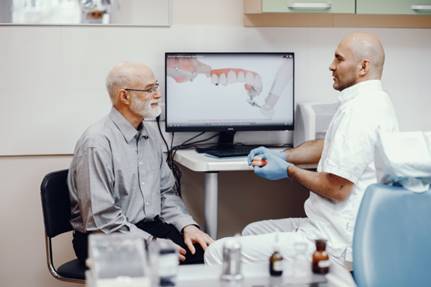
Can Composite Fillings Fix Chipped Teeth?

Chipped teeth are a common dental concern that can affect both your smile and your confidence. Whether caused by biting down on something hard, an accidental fall, or gradual wear and tear, even a small chip can impact the look and health of your tooth. If you’ve been wondering whether composite fillings can fix chipped teeth, the short answer is yes. Composite fillings are one of the most effective, minimally invasive, and affordable solutions for repairing chipped teeth.

In this blog, we’ll explore what composite fillings are, how they work for chipped teeth, their benefits, limitations, procedure details, and alternatives. By the end, you’ll have a clear understanding of whether this treatment is right for you.

What Are Composite Fillings?

Composite fillings, often referred to as tooth-colored fillings or composite resin restorations, are made from a mixture of plastic and fine glass particles. Unlike traditional silver amalgam fillings, composite fillings are designed to closely match the natural color of your teeth, making them virtually invisible when applied.

Originally developed to restore cavities, composites have become a versatile treatment option for cosmetic and structural issues, including repairing chipped, worn, or broken teeth. Dentists often recommend them for patients seeking both aesthetic appeal and functional durability.

How Composite Fillings Fix Chipped Teeth

When a tooth chips, the enamel—the hard, protective outer layer—breaks away. This leaves the inner layers more vulnerable to sensitivity, decay, and further damage. Composite fillings work by bonding directly to the tooth surface, restoring shape, strength, and function.

Here’s how they help:

  1. Bonding: The dentist prepares the tooth and applies the composite resin, which chemically bonds to the enamel and dentin.
  2. Reshaping: The resin is sculpted to match the tooth’s natural contour.
  3. Hardening: A curing light is used to harden the resin within seconds.
  4. Polishing: Finally, the tooth is polished so that the filling blends seamlessly with your natural tooth structure.

This process restores not just the appearance but also the functionality of the chipped tooth, allowing you to bite and chew comfortably again.

Benefits of Using Composite Fillings for Chipped Teeth

Composite fillings offer a wide range of benefits for chipped teeth, making them a popular choice for dentists and patients alike:

1. Aesthetic Appeal

  • Composite resin matches the natural shade of your teeth, making the repair practically invisible.
  • Perfect for front teeth where appearance matters most.

2. Minimally Invasive

  • Unlike crowns or veneers, little to no tooth structure needs to be removed.
  • This preserves the natural integrity of your tooth.

3. Quick and Painless Procedure

  • Most treatments can be completed in a single dental visit, usually within an hour.
  • Typically requires no anesthesia unless the chip is near a sensitive nerve.

4. Strong and Functional

  • Once bonded, composite fillings restore both appearance and chewing strength.
  • Suitable for small to medium-sized chips.

5. Affordable Option

  • Less expensive compared to crowns, veneers, or other cosmetic treatments.
  • A cost-effective way to restore your smile.

6. Repairable and Replaceable

  • If damaged, the filling can be easily repaired or replaced.
  • Flexible compared to more permanent solutions like crowns.

Step-by-Step: The Procedure for Repairing a Chipped Tooth with Composite Fillings

Knowing what to expect can ease anxiety before your dental visit. Here’s how the procedure typically works:

  1. Examination and Consultation
    • The dentist examines the chip, checks for underlying damage, and confirms if a composite filling is suitable.
  2. Tooth Preparation
    • The tooth is cleaned, and in some cases, slightly etched to create a surface for strong bonding.
    • Local anesthesia may be used if the chip is large or near the nerve.
  3. Application of Composite Resin
    • The dentist applies the composite in layers.
    • Each layer is shaped to resemble your tooth’s natural contour.
  4. Curing with a Special Light
    • Each layer is hardened with a curing light.
  5. Finishing Touches
    • The filling is polished for a smooth finish that blends seamlessly with your natural teeth.

This entire process usually takes 30–60 minutes depending on the size and location of the chip.

How Long Do Composite Fillings Last on Chipped Teeth?

On average, composite fillings last 5–7 years. With proper care, they may last even longer. Their longevity depends on factors like:

  • The size and location of the chip.
  • Oral habits (teeth grinding, biting nails, chewing ice, etc.).
  • Regular dental checkups and cleanings.
  • Daily oral hygiene practices.

While durable, composite fillings are not as strong as natural enamel or alternatives like crowns. If you have larger chips or weakened teeth, your dentist may recommend a more long-lasting solution.

Limitations of Composite Fillings for Chipped Teeth

While composite fillings are excellent for small to medium-sized chips, they may not be ideal in every case.

  • Not as strong for large chips: Large breaks may require crowns or veneers for durability.
  • Staining over time: Composite resin can discolor, especially with frequent coffee, tea, or wine consumption.
  • Shorter lifespan compared to crowns: While affordable, they may need replacement more often.

Alternatives to Composite Fillings for Chipped Teeth

If composite fillings aren’t suitable, your dentist may suggest other restorative options:

  1. Dental Bonding
    • Similar to composite fillings but primarily cosmetic.
    • Ideal for very small chips.
  2. Veneers 
    • Thin porcelain shells bonded to the front surface of teeth.
    • Perfect for larger chips and patients seeking a cosmetic upgrade.
  3. Crowns
    • Cover the entire tooth to provide strength and protection.
    • Recommended for large chips or teeth weakened by decay.
  4. Dental Implants
    • If the tooth is severely damaged and cannot be saved, extraction and implant placement may be necessary.

Caring for a Chipped Tooth with Composite Fillings

To maximize the lifespan of your filling:

  • Brush and floss daily to prevent decay around the filling.
  • Avoid biting hard objects like ice, pens, or hard candy.
  • Wear a mouthguard if you grind your teeth at night.
  • Schedule regular dental checkups every 6 months.

Proper care ensures your composite filling remains durable and your smile stays healthy.

Final Thoughts

Yes, composite fillings can effectively fix chipped teeth. They are quick, affordable, and blend naturally with your smile, making them a go-to solution for many patients. However, the best treatment depends on the size of the chip, the location of the tooth, and your long-term oral health goals.

If you’ve chipped a tooth, don’t ignore it. Even minor chips can lead to bigger problems if left untreated. Visit a dentist near you to explore whether a composite filling is the right choice.

Natural Sugars vs. Added Sugars: Can Fruit Really Cause Cavities?

In the quest for a healthier lifestyle, many people have turned to fruits as a sweet but nutritious alternative to desserts and processed snacks. But a common concern often pops up: “If fruit contains sugar, can it still cause cavities?” The short answer is — yes, but it’s more complicated than that.

To understand this better, we need to explore the difference between natural and added sugars, how they affect your oral health, and whether you really need to worry about your daily apple damaging your teeth.

Understanding the Two Sugars: Natural vs. Added

Natural sugars are those found naturally in foods like fruits (fructose), vegetables, dairy (lactose), and some grains. These sugars come packaged with fiber, water, and essential nutrients.

Added sugars, on the other hand, are sugars that are added during processing or preparation. Think of table sugar, syrups, sweeteners in soda, candy, pastries, and even many store-bought sauces and dressings.

According to the American Heart Association (AHA), the average adult in the U.S. consumes about 77 grams of added sugar per day — that’s more than three times the recommended limit. These added sugars have been strongly linked to obesity, diabetes, heart disease, and yes, tooth decay.

How Do Cavities Form? The Science Behind Tooth Decay

Cavities (dental caries) are caused by acid-producing bacteria that feed on sugar in your mouth. When these bacteria break down sugar, they produce acids that erode the enamel, the outer protective layer of your teeth.

If left unchecked, this can lead to holes (cavities), infections, and even tooth loss.

Now, here’s the key point: bacteria don’t distinguish between natural and added sugars. Both types can feed bacteria. However, the context in which these sugars are consumed matters greatly.

Do Fruits Really Cause Cavities?

Technically, yes — fruits contain sugar, primarily fructose. So, in theory, they can contribute to cavities. But in reality, it’s not that simple, and here’s why:

✅ Fruits Come with Protective Elements

  • Fiber in fruit helps clean the teeth by stimulating saliva production and scrubbing the tooth surface.
  • Water content in fruits like watermelon, oranges, or apples helps dilute the sugar and acid.
  • Many fruits contain vitamins and antioxidants that support gum health and immune response.

🚫 Dried Fruits & Fruit Juices Are a Different Story

Dried fruits like raisins or dates are sticky and cling to teeth, allowing sugar to sit longer in the mouth, giving bacteria more time to act. Similarly, fruit juices (even 100% juice) are stripped of fiber and often sipped over time — exposing your teeth to a constant acid attack.

The American Dental Association (ADA) warns that frequent snacking on dried fruits or sipping fruit juice throughout the day can be just as harmful as candy when it comes to tooth decay.

Added Sugars: The Real Culprit

When comparing natural sugars from whole fruits to added sugars in soda or candy, the risk of cavities skyrockets with added sugars. That’s because:

  • They stick easily to the teeth.
  • They’re consumed frequently and excessively.
  • They lack the fiber and water that help reduce their harmful effects.

A study published in the Journal of Dental Research found that added sugars were the leading dietary factor in dental caries across all age groups.

How to Enjoy Fruit Without Worrying About Cavities

Here are some smart, dentist-approved tips to enjoy the benefits of fruit while keeping your teeth cavity-free:

  1. Stick to Whole Fruits

Whole fruits are the safest way to consume natural sugar. They promote saliva production and are digested slowly, which is better for both blood sugar and oral health.

  1. Avoid Grazing on Fruit All Day

It’s not just what you eat but how often you eat it. Snacking on fruit all day keeps your mouth acidic for longer. Try to eat fruit during meals, not as continuous snacks.

  1. Rinse Your Mouth After Eating Fruit

Especially after eating acidic fruits like oranges, pineapple, or berries, rinse with water to neutralize acids and wash away lingering sugars.

  1. Brush Twice Daily (But Not Immediately After Acidic Foods)

Brushing too soon after eating acidic fruit can wear away enamel. Wait 30 minutes before brushing to give your saliva time to neutralize acids.

  1. Use Fluoride Toothpaste

Fluoride strengthens enamel and helps protect your teeth from sugar-related decay.

Conclusion: Fruit Isn’t the Enemy — But Be Smart

So, can fruit cause cavities? Yes — but only if consumed carelessly. Whole fruits are a vital part of a healthy diet and much less likely to cause dental problems than processed foods with added sugars.

The key is moderation, timing, and good oral hygiene.

If you’re concerned about your sugar intake or notice increased tooth sensitivity, visit your dentist regularly. They can help you understand the impact of your diet and offer tips for maintaining a cavity-free smile — even with fruit in your life.

In the battle between natural and added sugars, context is everything. Whole fruits, when eaten wisely and in moderation, are friends of your health — not foes of your teeth.


How to Get a Confident Smile in 5 Simple Steps

How to Get a Confident Smile in 5 Simple Steps

A confident smile can make a lasting impression, boost self-esteem, and improve both personal and professional interactions. Yet, many people feel self-conscious about their teeth due to discoloration, misalignment, or other dental concerns. The good news is that achieving a radiant, confident smile doesn’t always require expensive or complex procedures. With consistent care and a few simple steps, anyone can enhance their smile and radiate confidence.

Here are five simple steps to help you get the smile you’ve always wanted.

  1. Prioritize Daily Oral Hygiene

The foundation of a confident smile starts with healthy teeth and gums. Proper oral hygiene prevents cavities, gum disease, and bad breath, all of which can affect your smile.

  • Brush Twice Daily: Use a fluoride toothpaste and brush for at least two minutes each time. Make sure to clean all surfaces of your teeth, including hard-to-reach areas.
  • Floss Regularly: Flossing removes food particles and plaque between teeth, preventing decay and gum issues that can affect your smile.
  • Use Mouthwash: An antibacterial mouthwash can help reduce plaque and freshen breath, giving you added confidence when speaking or smiling.

Consistency is key. A solid oral hygiene routine not only keeps your teeth healthy but also creates a clean and bright base for a more confident smile.

  1. Consider Cosmetic Enhancements

Sometimes, minor cosmetic adjustments can make a significant difference. Modern dentistry offers a range of treatments to enhance your smile:

  • Teeth Whitening: Over-the-counter or professional whitening treatments can remove stains and brighten your teeth, instantly boosting your smile’s appearance.
  • Dental Veneers: Thin porcelain shells cover imperfections like chips, cracks, or discoloration, creating a uniform and attractive smile.
  • Orthodontics: Braces or clear aligners help correct misaligned teeth, giving you a straighter and more harmonious smile.

Cosmetic treatments are increasingly accessible and can help you feel proud of your smile. Consulting with a dentist can help determine which option is best for your needs and budget.

  1. Maintain a Healthy Lifestyle

Your overall lifestyle plays a crucial role in the health and appearance of your teeth. Habits such as diet, hydration, and avoiding harmful substances directly impact your smile.

  • Limit Sugary Foods and Drinks: Excess sugar leads to cavities and enamel erosion, which can dull your smile over time.
  • Stay Hydrated: Drinking plenty of water helps wash away food particles and bacteria, keeping teeth clean and healthy.
  • Avoid Tobacco and Staining Beverages: Smoking and excessive coffee or tea consumption can stain teeth and affect gum health.

A healthy lifestyle supports dental health, reduces the risk of oral issues, and ensures your smile remains vibrant and confident.

  1. Practice Good Smile Mechanics

Confidence isn’t just about healthy teeth—it’s also about how you present your smile. Practicing good smile mechanics can help you appear more natural and self-assured:

  • Relax Your Face: A tense or forced smile can appear unnatural. Take a deep breath, relax your jaw, and allow your smile to form naturally.
  • Use Your Eyes: Genuine smiles engage your eyes. Practice smiling in front of a mirror to ensure it looks authentic and inviting.
  • Mind Your Posture: Standing or sitting upright while smiling can enhance your confidence and make your smile more noticeable.

Small adjustments in how you smile can have a big impact on how others perceive your confidence.

  1. Regular Dental Checkups

Even with excellent daily care, professional dental checkups are essential for a healthy and confident smile. Dentists can identify and treat problems early, preventing issues that could affect your appearance or comfort.

  • Routine Cleanings: Professional cleanings remove plaque and tartar buildup that brushing and flossing can’t fully eliminate.
  • Early Detection: Regular exams catch cavities, gum disease, and other issues before they become major problems.
  • Personalized Advice: Your dentist can provide tailored recommendations for maintaining your smile, including whitening, orthodontics, or other treatments.

Regular dental visits ensure that your smile remains healthy, bright, and confident over the long term.

Bonus Tip: Confidence Is Contagious

A confident smile isn’t just about teeth—it’s about attitude. When you feel good about your smile, it shows. Confidence is contagious, and a genuine smile can positively influence interactions, boost mood, and create memorable first impressions.


Final Thoughts

Getting a confident smile doesn’t have to be complicated. By prioritizing oral hygiene, considering cosmetic options, maintaining a healthy lifestyle, practicing good smile mechanics, and keeping up with regular dental checkups, anyone can achieve a smile that radiates confidence.

Remember, a confident smile isn’t just about appearance—it’s about feeling good in your own skin. Start with these five simple steps today, and let your smile shine naturally.

Digital X-Rays

Digital X-Rays: A Safer, More Accurate Way to Diagnose Dental Issues

Dental health is more than just a bright smile—it’s a cornerstone of overall wellness. Detecting problems early can prevent pain, reduce treatment costs, and protect your long-term oral health. Traditionally, dentists relied on conventional X-rays to spot cavities, infections, and bone loss. While effective, traditional X-rays come with drawbacks, including higher radiation exposure and less detailed imaging. Enter digital X-rays, a revolutionary tool that is changing the way dental issues are diagnosed today.

What Are Digital X-Rays?

Digital X-rays are advanced imaging tools that capture high-quality images of your teeth, gums, and jaw using digital sensors instead of traditional film. Unlike conventional X-rays that require chemical processing, digital X-rays instantly display images on a computer screen. This allows dentists to examine your oral structures in precise detail, zoom in on problem areas, and even enhance images to identify issues that might go unnoticed with older technology.

Why Digital X-Rays Are Safer

Safety is a primary concern for dental patients, especially those who require frequent imaging. Digital X-rays use up to 90% less radiation compared to traditional film X-rays. This reduced exposure makes them safer for children, pregnant women, and patients who need routine monitoring for chronic dental conditions.

In addition to lower radiation, digital X-rays eliminate the need for chemicals used in film development. This eco-friendly approach not only benefits the environment but also reduces your exposure to potentially harmful substances.

Greater Accuracy for Early Detection

Early detection is key to preventing serious dental issues. Digital X-rays provide incredibly detailed images that make it easier for dentists to spot cavities, cracks, bone loss, abscesses, and impacted teeth at an early stage.

For example, subtle cavities between teeth—sometimes invisible during a routine examination—can be detected quickly. Likewise, early bone loss caused by periodontal disease can be identified before it becomes severe, allowing for timely intervention.

With the ability to manipulate images digitally, dentists can zoom in, adjust contrast, and highlight specific areas, ensuring nothing is missed. This precision improves diagnostic accuracy, which directly impacts treatment success and patient outcomes.

Faster Diagnosis and Treatment Planning

Digital X-rays streamline the dental visit process. Images are available instantly, which means no waiting for film to develop. Dentists can review results with patients immediately, explaining issues and discussing treatment options in real time.

This instant feedback allows for more efficient appointments and can reduce the need for follow-up visits. Patients gain a clearer understanding of their oral health, empowering them to make informed decisions about care.

Comfort and Convenience for Patients

Many patients feel uneasy with traditional X-ray films due to the bulky sensors and trays used in the mouth. Digital X-ray sensors are thinner, more flexible, and easier to position, enhancing comfort during the procedure.

Additionally, images can be shared digitally with specialists or insurance providers, simplifying referrals and claims processes. This convenience reduces stress and makes dental care more accessible for everyone.

Digital X-Rays and Pediatric Dentistry

Children benefit greatly from digital X-rays. Their developing teeth and jaws require careful monitoring, and frequent imaging may be necessary. Digital X-rays minimize radiation exposure while providing the same detailed diagnostic capabilities as for adults.

Pediatric dentists can use digital X-rays to track tooth development, identify misalignment early, and detect cavities that may not be visible during a routine checkup. Early intervention can prevent more invasive treatments later.

Digital X-Rays in Cosmetic Dentistry

For patients interested in cosmetic procedures such as dental implants, veneers, or crowns, digital X-rays play a critical role in planning. Accurate imaging ensures implants are placed correctly, crowns fit perfectly, and any underlying issues are addressed before cosmetic work begins.

This level of precision helps dentists achieve both functional and aesthetic success, resulting in healthier, more beautiful smiles.

Choosing a Dentist Who Uses Digital X-Rays

If you’re seeking top-notch dental care, look for a practice that invests in digital X-ray technology. A dentist who utilizes digital imaging demonstrates a commitment to patient safety, comfort, and accurate diagnosis.

When scheduling your next appointment, ask about the types of X-rays used and how they enhance care. A practice equipped with digital technology is likely to offer faster appointments, improved diagnostics, and a more patient-friendly experience.

Digital X-rays are transforming dental care by combining safety, accuracy, and convenience. With significantly lower radiation, high-definition imaging, and immediate results, they provide dentists and patients with powerful tools for preventing and treating oral health issues.

Whether you’re visiting for a routine checkup, managing chronic dental conditions, or considering cosmetic treatments, digital X-rays ensure your dentist has the clearest picture of your oral health.

Investing in a dental practice that uses digital X-rays is an investment in safer, smarter, and more effective care. Your smile deserves the precision and protection that digital technology offers.

Teeth Whitening in Azle

Teeth Whitening in Azle: How to Brighten Your Smile Safely

A bright, confident smile can make a lasting impression. Unfortunately, daily habits like drinking coffee, tea, or wine—and even the natural aging process—can leave teeth looking dull or stained. The good news is that teeth whitening in Azle, TX offers a safe and effective way to restore your smile’s natural brilliance.

If you’ve been considering whitening your teeth, this guide will walk you through your options, explain the process, and share tips for achieving lasting results—while keeping your oral health a top priority.

Why Teeth Whitening is So Popular

Residents in Azle, TX are embracing teeth whitening for more than just cosmetic reasons. Here’s why it’s a popular choice:

  • Boosts confidence in personal and professional settings.
  • Enhances appearance by removing years of surface stains.
  • Non-invasive way to refresh your smile without major dental work.
  • Quick results, often noticeable in just one session.

Whether you have a big event coming up or simply want to feel better about your smile, whitening can deliver impressive transformations.

Understanding the Causes of Tooth Discoloration

Before choosing a whitening method, it’s important to understand why teeth lose their brightness. Common causes include:

  1. Food and Beverages – Coffee, tea, red wine, and dark-colored sodas can stain enamel.
  2. Tobacco Use – Smoking or chewing tobacco leads to stubborn yellow or brown stains.
  3. Aging – Enamel naturally thins over time, revealing the darker dentin underneath.
  4. Medications – Certain antibiotics or antihistamines can discolor teeth.
  5. Poor Oral Hygiene – Plaque and tartar buildup contribute to a dull smile.

Professional Teeth Whitening in Azle, TX – Your Safest Option

While over-the-counter whitening products are widely available, professional treatment from a local Azle dentist ensures both safety and effectiveness.

Benefits of Professional Whitening

  • Customized treatment to suit your tooth shade and sensitivity level.
  • Stronger whitening agents that deliver faster, longer-lasting results.
  • Expert supervision to avoid gum irritation or enamel damage.
  • Even, consistent whitening without streaks or patchy results.

Types of Professional Whitening

  1. In-Office Whitening Treatments
    • Performed by a dentist using powerful whitening gels and special light-activation systems.
    • Can lighten teeth several shades in just one appointment.
  2. Custom Take-Home Kits
    • Your dentist provides custom-fitted trays and professional-grade gel.
    • Allows you to whiten gradually at home while maintaining control over the process.

Is Teeth Whitening Right for You?

Most patients with healthy teeth and gums are good candidates for whitening, but there are exceptions:

  • Those with gum disease, cavities, or worn enamel may need treatment before whitening.
  • Patients with dental restorations like crowns or veneers should note that these materials won’t whiten.

A quick dental exam in Azle will help determine if whitening is the right choice for your smile goals.

Safe Whitening Tips

  1. Always get a dental check-up first to ensure your teeth are healthy enough for whitening.
  2. Follow the dentist’s instructions for take-home kits—using too much gel can cause sensitivity.
  3. Avoid staining foods and drinks for at least 48 hours after treatment.
  4. Use a straw when drinking beverages that could stain your teeth.
  5. Maintain daily oral hygiene with proper brushing and flossing.

How Long Do Results Last?

The longevity of your whitening results depends on your habits and oral care routine. On average, professional whitening results can last 6 months to 2 years. Touch-up treatments in Azle can keep your smile bright year-round.

Why Choose a Local Dentist for Teeth Whitening in Azle, TX

  • Convenience – Easy access for appointments and follow-up care.
  • Personalized attention – Your dentist understands your dental history and needs.
  • Ongoing support – Advice on maintaining your results and oral health.

Local Azle dental clinics also use the latest whitening technology to ensure comfort and minimize sensitivity.

Final Thoughts – Your Smile Deserves the Best Care

A whiter smile can change the way you feel about yourself—and with professional teeth whitening in Azle, TX, you can achieve it safely and effectively. Whether you opt for an in-office procedure or a custom take-home kit, the key is to trust your smile to an experienced dental professional.

Ready to transform your smile? Contact your local Azle dental office today to schedule a consultation and take the first step toward a brighter, more confident you.

Partial Dentures

Can You Sleep With Partial Dentures? What Dentists Recommend

If you wear partial dentures, you might wonder whether it’s safe—or even recommended—to sleep with them. Many people ask, “Can I leave my dentures in overnight?” or “Is it bad to sleep with partial dentures?” The short answer: it’s generally not recommended. But to fully understand why, let’s explore what dental professionals advise and the health implications of wearing your dentures to bed.

What Are Partial Dentures?

Partial dentures are removable dental appliances used to replace missing teeth. Unlike full dentures, they are designed for patients who still have some of their natural teeth remaining. These devices help maintain your bite alignment, improve chewing, and enhance the overall appearance of your smile.

Today’s partial dentures are made with advanced materials that offer comfort, durability, and a natural look. But while they’re crafted for daily wear, they aren’t meant to be worn 24/7—including while you sleep.

Why Sleeping With Partial Dentures Is Not Recommended

Dentists advise removing your partial dentures at night for several key reasons:

  1. Oral Tissue Health

Wearing dentures around the clock puts constant pressure on your gums and underlying bone. Your oral tissues need time to recover from this stress. Removing your partials overnight allows your gums to “breathe,” promoting healthier soft tissue and reducing inflammation.

  1. Reduced Risk of Infections

Keeping dentures in your mouth overnight creates a warm, moist environment—ideal for bacteria and fungal growth. This increases your risk of conditions like denture stomatitis (a yeast infection under the denture) and bad breath. Proper nightly cleaning and removal help prevent this.

  1. Bone Loss Prevention

Sleeping with dentures can contribute to faster bone resorption (the gradual loss of jawbone). Taking your dentures out at night reduces this pressure and helps preserve your jaw structure over time.

  1. Better Denture Longevity

Partial dentures last longer when they’re properly cared for. Overnight removal and cleaning help prevent excessive wear, reduce breakage, and minimize plaque buildup.

What Dentists Recommend for Nighttime Denture Care

To maintain both your oral health and the lifespan of your dentures, here’s what dental professionals suggest:

✅ Remove and Rinse

After your final meal or drink of the day, remove your partial dentures and rinse them thoroughly under lukewarm water to wash away food particles.

✅ Clean Thoroughly

Use a non-abrasive denture cleanser (not toothpaste) and a soft denture brush to clean all surfaces of your partials. This prevents plaque buildup and bacterial growth.

✅ Soak Overnight

Place your dentures in a denture soaking solution or plain water overnight to keep them moist. Dry dentures can warp or become uncomfortable.

✅ Clean Your Mouth

Don’t forget your natural teeth and gums. Use a soft toothbrush or gauze pad to clean your gums, tongue, and the roof of your mouth. This keeps your oral tissues healthy and fresh.

Can You Ever Sleep With Partial Dentures?

There are certain situations where wearing partial dentures overnight might be acceptable for a short time:

  • New Denture Wearers: Some dentists recommend wearing new dentures for the first 24 hours, including during sleep, to help your mouth adjust. However, this is temporary and typically followed by a nighttime removal routine.
  • Special Occasions: If you’re staying overnight away from home and want to avoid the awkwardness of removing dentures in front of others, occasional nighttime wear is unlikely to cause harm—but it shouldn’t become a habit.

Always consult with your dentist or prosthodontist if you have questions about your specific case.

Signs You’re Wearing Your Dentures Too Long

If you’re unsure whether your nighttime routine is harming your oral health, watch for these warning signs:

  • Red, swollen, or irritated gums
  • Persistent bad breath
  • White patches or sores on your gums or tongue
  • Loose-fitting dentures
  • Increased plaque or tartar on your remaining teeth

If you experience any of these, contact your dental provider immediately. These symptoms can indicate that your mouth isn’t getting the rest it needs.

Long-Term Impact of Not Removing Partial Dentures

Sleeping in your dentures every night may seem harmless, but over time, it can lead to serious issues:

  • Increased risk of oral infections
  • Faster wear and tear of your dental appliance
  • Higher chance of gum recession and bone loss
  • Compromised oral hygiene

These long-term effects not only affect your health but could lead to costly denture repairs or replacements. Protect your investment—and your smile—by following professional care guidelines.

Prioritize Your Oral Health With Smart Denture Habits

Partial dentures can dramatically improve your quality of life—enhancing your ability to eat, speak, and smile with confidence. But to get the most out of them, it’s crucial to treat them with care. That means giving your mouth a break while you sleep.

The consensus among dental experts is clear: Take your partial dentures out before bed. It’s a small step that yields big benefits for your oral health, comfort, and confidence.

If you’re unsure about your denture care routine or experience discomfort, schedule a visit with your local dentist or prosthodontist. They can provide personalized advice and ensure your dentures continue to fit and function properly.

Final Thoughts

So, can you sleep with partial dentures? Technically, yes—but you really shouldn’t. Removing your dentures at night is one of the simplest ways to keep your mouth healthy and your dentures in top condition.

Make it a part of your nightly routine, just like brushing and flossing. Your mouth—and your morning breath—will thank you.

General Dentist

How Often Should You Visit a General Dentist? Preventive Care Explained

When was your last visit to the dentist? If you’re like many people, you may not remember. But regular dental visits are one of the most important steps in maintaining not just oral health, but your overall well-being too. So, how often should you visit a general dentist?

In this article, we’ll explore the ideal frequency for dental check-ups, the benefits of preventive care, and how a general dentist plays a critical role in keeping your smile healthy and bright.

What Does a General Dentist Do?

A general dentist is your primary dental care provider who manages your oral health on a regular basis. They offer a wide range of services that focus on:

  • Preventive care (cleanings, exams, x-rays)
  • Restorative procedures (fillings, crowns, root canals)
  • Diagnostic services
  • Oral health education

Unlike specialists who focus on a specific area of dentistry, a general dentist provides comprehensive care for patients of all ages.

How Often Should You Visit a General Dentist?

The standard recommendation from most dental associations, including the American Dental Association (ADA), is to visit a general dentist every six months. However, this can vary depending on your individual oral health needs.

Here’s a breakdown:

  • Every 6 months: This is ideal for most people. It allows your dentist to remove plaque and tartar buildup, check for early signs of tooth decay or gum disease, and offer preventive guidance.
  • Every 3–4 months: Recommended for individuals with gum disease, a history of frequent cavities, or those undergoing certain treatments.
  • Annually: For those with excellent oral hygiene and no history of dental issues, a once-a-year check-up may suffice—though most dentists still recommend sticking to twice a year for safety.

Why Regular Dental Visits Matter

Many dental problems don’t cause pain until they’ve become advanced. By visiting your general dentist regularly, you can catch issues before they become costly or irreversible.

Benefits of Preventive Dental Care:

  • Early Detection of Cavities and Decay
    Small cavities are easy to fix. Left untreated, they can lead to root canals or tooth loss.
  • Gum Disease Prevention
    Your dentist can identify early signs of gingivitis and treat it before it progresses to serious periodontal disease.
  • Oral Cancer Screening
    A general dentist screens for abnormalities in the mouth, neck, and jaw—potentially lifesaving.
  • Professional Cleaning
    Even with good brushing and flossing, plaque and tartar can build up in hard-to-reach areas. Professional cleanings keep your teeth polished and your breath fresh.
  • Education and Advice
    From brushing techniques to diet tips, your dentist provides personalized guidance to help you maintain a healthy mouth.

Signs You Need to See a General Dentist Sooner

Even if you’ve had your regular visit, certain symptoms mean you shouldn’t wait for the next check-up. Book an appointment if you notice:

  • Tooth pain or sensitivity
  • Bleeding or swollen gums
  • Persistent bad breath
  • Loose or shifting teeth
  • Jaw pain or headaches
  • Sores or lumps in the mouth

These could be signs of dental or underlying medical issues that need immediate attention.

What to Expect During a Dental Check-up

Visiting a general dentist is usually a smooth, straightforward process. Here’s what a typical preventive visit includes:

  1. Review of Dental and Medical History
  2. X-rays (if due or needed)
  3. Professional Cleaning by a hygienist
  4. Comprehensive Oral Exam to check teeth, gums, bite, and soft tissues
  5. Discussion and Recommendations based on findings

Your general dentist will also provide a customized care plan and schedule your next visit.

Dental Care Tips Between Visits

While regular visits are crucial, your daily habits play the biggest role in your oral health. Here’s how to keep your smile in top shape between appointments:

  • Brush twice a day with fluoride toothpaste
  • Floss daily to remove plaque between teeth
  • Limit sugary and acidic foods
  • Drink plenty of water
  • Avoid tobacco products
  • Wear a mouthguard during sports or at night if you grind your teeth

Following these steps can reduce your risk of developing cavities, gum disease, and other dental issues.

Who Needs to Visit the Dentist More Often?

Certain people may need more frequent check-ups and cleanings due to higher risk factors. This includes:

  • Smokers
  • Pregnant women
  • Diabetics
  • People with heart conditions
  • Those with a history of gum disease or tooth decay
  • Orthodontic patients (braces, aligners)

Your general dentist will recommend a visit schedule that fits your health profile.

Final Thoughts

Seeing your general dentist regularly is one of the smartest ways to maintain a healthy, beautiful smile. While twice a year is the common standard, your personal needs may require more frequent care. Preventive dental visits not only save you money in the long run but also help you avoid pain, tooth loss, and other serious health issues.

Don’t wait for a toothache to book your appointment. Be proactive—your future self (and smile) will thank you.

✅ Call to Action

Is it time for your next dental visit? Don’t wait until small issues become big problems. Schedule your appointment with a trusted general dentist today and take control of your oral health.

Pediatric Dental

Common Pediatric Dental Procedures Every Parent Should Know

As a parent, ensuring your child’s health includes giving proper attention to their dental care. Pediatric dentistry plays a vital role in monitoring and maintaining your child’s oral development—from their first tooth to their teenage years. Understanding common pediatric dental procedures can help you feel more confident and proactive when visiting the dentist.

In this guide, we’ll break down the most frequent treatments offered by pediatric dentists, what to expect during each procedure, and why they’re important for your child’s overall health.

Why Pediatric Dentistry Matters

Children’s teeth are more than just placeholders for adult teeth. Early dental care helps prevent future problems, promotes healthy oral habits, and builds comfort around visiting the dentist.

Benefits of early pediatric dental care:

  • Prevents tooth decay and cavities
  • Encourages proper jaw and bite development
  • Educates children on brushing and flossing
  • Reduces dental anxiety over time

Most Common Pediatric Dental Procedures

  1. Dental Examinations and Cleanings

These are the cornerstone of preventive care. Pediatric dentists recommend check-ups every six months.

What to expect:

  • Visual inspection of teeth and gums
  • Gentle cleaning to remove plaque and tartar
  • Fluoride treatment to strengthen enamel

Why it matters: Helps detect early signs of cavities, gum disease, or misalignment.

  1. Fluoride Treatments

Fluoride is a natural mineral that strengthens tooth enamel and prevents decay.

When it’s done: Usually during routine check-ups

Process:

  • Fluoride gel or varnish applied to teeth
  • Takes just a few minutes
  • No eating or drinking for 30 minutes afterward

Why it matters: Essential for cavity prevention, especially in children with early signs of enamel wear.

  1. Dental Sealants

Sealants are thin, protective coatings applied to the chewing surfaces of back teeth (molars).

Best age to apply: Ages 6 to 14, as soon as permanent molars erupt

Benefits:

  • Prevents food and bacteria from settling in grooves
  • Reduces cavity risk in molars by up to 80%
  1. Cavity Fillings

Despite best efforts, some children may still develop cavities that require fillings.

Materials used:

  • Tooth-colored composite resin (most common)
  • Amalgam (less common today)

Procedure:

  • Area is numbed
  • Decay is removed
  • Filling is placed to restore the tooth’s shape and function
  1. Pulp Therapy (Baby Root Canal)

If a cavity reaches the nerve of a baby tooth, pulp therapy may be needed to save the tooth.

Types:

  • Pulpotomy: Removal of the infected part of the pulp
  • Pulpectomy: Full removal of pulp tissue, often followed by a crown

Why it’s important: Preserving baby teeth maintains spacing and guides proper eruption of permanent teeth.

  1. Dental Crowns for Children

Used when a tooth is severely decayed or damaged, especially after pulp therapy.

Types:

  • Stainless steel crowns (durable and cost-effective)
  • Tooth-colored crowns (used for front teeth)

Purpose: Protects the tooth and restores function until it naturally falls out.

  1. Tooth Extractions

Sometimes a tooth needs to be removed due to severe decay, infection, or crowding.

Common reasons:

  • Baby tooth that won’t fall out naturally
  • Orthodontic preparation
  • Infected or abscessed tooth

Your child’s comfort: Local anesthesia and gentle techniques make this safe and manageable.

  1. Space Maintainers

If a baby tooth is lost prematurely, a space maintainer may be needed to hold the gap open for the permanent tooth.

Why it’s done: Prevents neighboring teeth from shifting and blocking the erupting tooth.

  1. Orthodontic Evaluations

Most pediatric dentists begin monitoring bite alignment and jaw development by age 7.

Early signs of concern:

  • Crossbite or overbite
  • Crowded or spaced teeth
  • Thumb-sucking past age 4

Next steps: May refer to an orthodontist for early intervention or future braces.

Tips for Parents: Preparing Your Child for Dental Visits

  • Talk positively about the dentist—avoid words like “pain” or “shot”
  • Read dental-themed children’s books to set expectations
  • Reward good behavior after the visit, not before
  • Choose a pediatric dental office experienced in treating children with patience and care

Conclusion: Start Early, Stay Informed

Knowing what to expect during pediatric dental visits can help you support your child with confidence and ease. These common procedures—from routine cleanings to more advanced treatments—are designed with your child’s comfort, development, and long-term oral health in mind.

Cosmetic Dentistry

Is Cosmetic Dentistry Right for You?

In today’s appearance-conscious world, your smile plays a significant role in how you’re perceived—and how you feel about yourself. A bright, healthy smile can boost self-confidence, improve first impressions, and even enhance overall quality of life. But if you’re dealing with stained, chipped, misaligned, or missing teeth, you might be wondering if cosmetic dentistry is the right solution for you.

In this comprehensive guide, we’ll break down what cosmetic dentistry is, who it’s for, the most popular procedures, and how to decide if it’s the right choice for your dental and personal goals.

What Is Cosmetic Dentistry?

Cosmetic dentistry focuses on improving the appearance of your teeth, gums, and overall smile. While general dentistry deals with prevention, diagnosis, and treatment of oral diseases, cosmetic dentistry is primarily concerned with aesthetic enhancements.

However, many cosmetic procedures also improve functionality—meaning they can have both health and visual benefits.

Common Cosmetic Dentistry Procedures

There are a wide variety of cosmetic dental treatments available today, thanks to advances in technology and techniques. Some of the most popular options include:

  1. Teeth Whitening

One of the simplest and fastest ways to enhance your smile. Professional whitening treatments can remove years of staining from coffee, wine, tobacco, and more.

  1. Dental Veneers

Thin, custom-made shells of porcelain or composite resin that are bonded to the front of your teeth to improve their shape, size, or color.

  1. Dental Implants

A permanent solution for missing teeth. Implants not only restore your smile but also prevent bone loss and help maintain facial structure.

  1. Invisalign or Braces

Clear aligners like Invisalign straighten teeth without the use of metal braces, making orthodontics more appealing for adults and teens alike.

  1. Tooth-Colored Fillings & Bonding

Used to repair decayed, chipped, or discolored teeth, these materials blend seamlessly with your natural teeth.

  1. Gum Contouring

Reshapes uneven gum lines or treats “gummy” smiles to create a more balanced appearance.

Who Is a Good Candidate for Cosmetic Dentistry?

Cosmetic dentistry is not just for celebrities or public figures. People from all walks of life choose these treatments for a variety of reasons. You may be a good candidate if:

  • You have stained, discolored, or yellowing teeth
  • Your teeth are chipped, cracked, or worn down
  • You have gaps or uneven spacing between teeth
  • Your teeth are misaligned or crooked
  • You’re missing one or more teeth
  • You feel self-conscious about your smile

However, it’s important to note that good oral health is a prerequisite. Any underlying issues like gum disease or tooth decay must be treated before undergoing cosmetic procedures.

The Benefits of Cosmetic Dentistry

✅ Enhanced Confidence

Improving the look of your teeth can help you feel more comfortable in social and professional situations.

✅ Better Oral Hygiene Habits

Many people who invest in their smile become more motivated to maintain good oral hygiene habits afterward.

✅ Improved Functionality

Some cosmetic procedures, like crowns or implants, not only restore appearance but also improve chewing and speaking ability.

✅ Long-Lasting Results

Modern cosmetic dentistry uses durable materials designed to last for years, making it a worthwhile investment.

Things to Consider Before Getting Cosmetic Dental Work

While cosmetic dentistry offers life-changing results, there are a few things to think about before moving forward:

  1. Cost and Insurance

Cosmetic procedures are often not covered by dental insurance. Be sure to ask for a detailed treatment plan and explore financing options if needed.

  1. Maintenance

Some treatments, like veneers or whitening, require upkeep or replacement over time. Ask your dentist about the expected lifespan and required care.

  1. Realistic Expectations

Cosmetic dentistry can significantly improve your appearance, but it’s important to have realistic expectations. Your dentist will help guide you through what’s achievable based on your unique dental situation.

Choosing the Right Cosmetic Dentist

Not all dentists specialize in cosmetic procedures. It’s crucial to choose someone with the right training, experience, and portfolio of successful cases.

Here’s what to look for:

  • Board certification and ongoing education
  • Before-and-after photos of past patients
  • Transparent pricing and treatment options
  • Positive patient reviews and testimonials

If you’re looking for cosmetic dentistry in your local area, make sure to research thoroughly and schedule consultations with a few providers.

Is Cosmetic Dentistry Worth It?

For many people, the answer is yes. Whether you’re preparing for a big life event like a wedding or simply want to feel more confident when you smile, cosmetic dentistry can offer transformative results.

Think of it as an investment in yourself—not just for aesthetic benefits, but for your mental and emotional well-being.

Final Thoughts

Cosmetic dentistry has the power to improve more than just your smile—it can positively affect your self-image, social life, and even your career. From minor touch-ups to full smile makeovers, today’s advanced techniques make it easier and more accessible than ever.

Still not sure if it’s right for you? Start with a consultation. A skilled cosmetic dentist can evaluate your needs, answer your questions, and recommend a customized treatment plan that fits your lifestyle and goals.


Pregnancy and Gum Disease

Pregnancy and Gum Disease: Why Periodontal Health Matters More Than Ever

Pregnancy is a time of profound physical transformation—and while most expecting parents focus on prenatal vitamins and baby names, one critical aspect often goes overlooked: Periodontal health.

Emerging research reveals a strong connection between pregnancy and gum disease, making oral health more essential than ever during this stage of life. In this blog, we’ll explore why periodontal health during pregnancy matters, how to prevent complications, and what steps to take to protect both mom and baby.

What Is Periodontal Health?

Periodontal health refers to the condition of your gums and the bone structures supporting your teeth. When gums are inflamed, infected, or begin to recede, it may indicate periodontal disease (gum disease)—a chronic bacterial infection that can start as gingivitis and advance to periodontitis if left untreated.

Why Pregnancy Increases the Risk of Gum Disease

Pregnancy causes hormonal fluctuations that affect nearly every system in the body—including your mouth. Elevated levels of progesterone and estrogen can:

  • Increase blood flow to the gums, making them more sensitive and prone to inflammation
  • Alter the body’s response to plaque bacteria
  • Exacerbate gingivitis, often called “pregnancy gingivitis”, especially in the second trimester

Expert Insight:
“Pregnant women are more susceptible to gum disease due to hormonal changes that increase vascularity and reduce immune response in gum tissues.”
Dr. Melissa Tran, Periodontist

Gum Disease and Pregnancy: Risks and Complications

Research shows a clear correlation between poor periodontal health and pregnancy complications. Here’s how gum disease can impact maternal and fetal health:

Gum Disease Effect Pregnancy Impact
Chronic inflammation May increase risk of preterm birth
Oral bacteria entering bloodstream Associated with low birth weight babies
Immune response imbalance Linked to preeclampsia in some studies
Discomfort and bleeding Can reduce ability to maintain nutrition

Fact:

  • Bleeding while brushing
  • Swollen, tender gums
  • Persistent bad breath
  • Loose teeth or gum recession

Prevention and Treatment: How to Protect Periodontal Health During Pregnancy

  1. Stick to a Consistent Oral Care Routine
  • Brush twice daily with fluoride toothpaste
  • Floss once a day to remove plaque between teeth
  • Use an alcohol-free mouthwash
  1. Schedule a Prenatal Dental Checkup

Let your dentist know you’re expecting. They’ll tailor care and possibly schedule additional cleanings.

  1. Combat Morning Sickness

If vomiting occurs frequently:

  • Rinse with water and baking soda (not brushing immediately)
  • Avoid acidic or sugary snacks
  1. Eat for Gum Health

Focus on foods rich in:

  • Vitamin C (immune support)
  • Calcium (bone and tooth strength)
  • Omega-3 fatty acids (anti-inflammatory effects)
  1. Don’t Delay Treatment

Safe, non-invasive treatments like scaling and root planing can control gum disease during pregnancy without harming the baby.

Periodontal Health Before, During, and After Pregnancy

Stage Risk Level Recommended Action
Before Pregnancy Moderate Get dental cleanings and resolve any gum issues
During Pregnancy High Schedule at least 1 dental visit; maintain hygiene
Postpartum Moderate Watch for gum inflammation due to hormonal changes and lack of sleep

Benefits of Maintaining Periodontal Health During Pregnancy

  • ✅ Reduces risk of premature delivery
  • ✅ Supports a healthier immune system
  • ✅ Prevents long-term tooth and bone loss
  • ✅ Improves comfort and nutrition during pregnancy
  • ✅ Models healthy habits for your child

 Do you have a pregnancy and gum health tip to share? Or a question about what’s safe during pregnancy?


  • Pregnancy gingivitis remedies
  • Is dental work safe during pregnancy?
  • Gum bleeding in pregnancy third trimester
  • Oral hygiene tips for pregnant women
  • Best toothpaste for pregnant women

 Final Word: Periodontal Health Is Prenatal Health

Your oral health isn’t isolated—it’s deeply connected to your total wellness, especially during pregnancy. By paying attention to gum disease and periodontal health, you’re not only protecting your teeth but also supporting a healthy pregnancy and a thriving baby.

Pregnant women with periodontitis are up to 7 times more likely to deliver prematurely or have babies with low birth weight, according to the Journal of Periodontology.

Q:1.  Is it safe to visit the dentist during pregnancy?
A: Yes—dental cleanings and exams are safe and encouraged during pregnancy. Second trimester is often the best time.

Q:2.  Can treating gum disease harm the baby?
A: No—treating gum disease may actually reduce pregnancy complications, as untreated inflammation can spread systemically.

Q: 3. What symptoms should I watch for?
A: Common signs of gum disease during pregnancy include:

1 2 3 4